Imagine this: You’re not at fault in an accident. The other driver’s insurance pays to have your car professionally repaired. A few months later, you decide to sell or trade in your vehicle, and you discover it’s worth thousands of dollars less than comparable vehicles without accident histories. The repairs were perfect, but the simple fact that your car was in an accident has permanently reduced its value.
This loss is called “diminished value,” and here’s what most Salem drivers don’t know:
in Oregon, you have the legal right to recover this loss from the at-fault driver’s insurance company. Yet insurance companies rarely—if ever—offer to pay this compensation unless you specifically ask for it.
What Is Diminished Value?
Diminished value is the difference between what your vehicle was worth before an accident and what it’s worth after repairs — even perfect repairs. When a Carfax report shows an accident history, buyers pay less. For Salem drivers, this loss typically ranges from $2,000 to $7,000 or more depending on the vehicle, and Oregon law gives you the right to recover it from the at-fault driver’s insurance company.
Diminished value is the difference between what your vehicle was worth before the accident and what it’s worth after repairs have been completed—even if those repairs were done perfectly. It reflects a simple market reality: buyers are willing to pay less for a vehicle with an accident history.
When a potential buyer runs a Carfax or AutoCheck report on your vehicle, that accident shows up permanently. Even though your car looks and drives like new, that report creates doubt in buyers’ minds. They worry about hidden damage, future problems, or simply don’t want to take a chance on a vehicle with a collision history. As a result, they offer less money—often significantly less.
For Salem drivers, this can mean losing $2,000 to $7,000 or more in resale value, depending on the vehicle and the extent of damage. That’s real money you’ve lost through no fault of your own.
The Three Types of Diminished Value
The three types are inherent diminished value (market stigma from accident history), repair-related diminished value (from poor or incomplete repairs), and immediate diminished value (loss at the moment of impact before repairs). Inherent diminished value is what most Oregon claims address — it exists regardless of how well the vehicle was repaired, because the accident record follows the car permanently.
Understanding the different types of diminished value helps clarify what you may be entitled to recover:
1. Inherent Diminished Value
This is the most common type and what most diminished value claims address. Inherent diminished value is the loss of value that occurs simply because your vehicle has an accident history, regardless of how well it was repaired. It’s based on the market stigma attached to vehicles with collision records.
Even if Dabler Auto Body restores your vehicle to absolutely perfect condition using OEM parts and following all manufacturer specifications—which we do—the market still discounts it because of that Carfax report. This is the type of diminished value Oregon law recognizes and compensates.
2. Repair-Related Diminished Value
This occurs when repairs are done poorly or incompletely. If your vehicle still has visible defects, parts that don’t fit properly, or ongoing mechanical issues after repairs, it suffers additional loss in value beyond the inherent diminished value. This is why choosing a quality repair shop matters—poor repairs compound your losses.
3. Immediate Diminished Value
This is the loss in value that occurs immediately after an accident, before any repairs are made. It’s typically only relevant in total loss situations where the insurance company is determining the vehicle’s pre-accident value.
Oregon Law Protects Your Right to Diminished Value Compensation
Oregon has some of the strongest diminished value protections in the country, with case law dating to 1930. Key cases include Mock v. Terry (1988) and Gonzales v. Farmers (1999). Oregon Revised Statute 20.080 creates additional leverage by requiring insurance companies to pay your attorney fees if you win even a dollar more than their offer in court — making Oregon a favorable state for filing these claims.
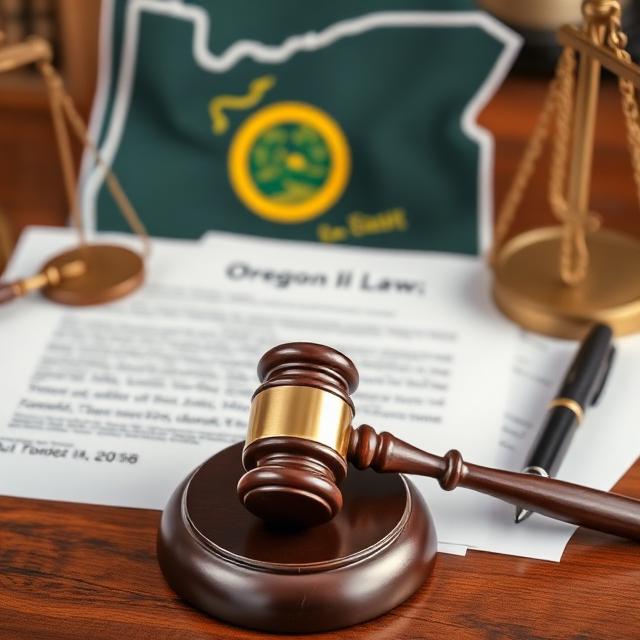
Oregon is actually one of the best states in the country for diminished value claims. Unlike some states where the law is unclear, Oregon has well-established case law dating back to 1930 that supports your right to this compensation.
Key Oregon cases establishing diminished value rights:
- Mock v. Terry (1988): Established that if repairing your car doesn’t return it to its previous value, the at-fault driver’s insurance must make up the difference in cash.
- Gonzales v. Farmers (1999): Ruled that vehicle owners can collect diminished value even under their own insurance policy (in certain situations, such as hit-and-run accidents).
- Rossier v. Union Automobile Insurance (1930): The earliest Oregon case recognizing diminished value, establishing that proper compensation is the difference between pre-accident and post-accident market value.
Additionally, Oregon Revised Statute 20.080 creates powerful incentive for insurance companies to settle diminished value claims fairly. This law allows you to recover attorney fees if you have to take an insurance company to court for claims under $10,000—and if you win even a penny more than the insurance company offered, they pay your legal fees. This means insurance companies take Oregon diminished value claims seriously.
Do You Qualify for a Diminished Value Claim in Oregon?
You likely qualify if you were not at fault, your vehicle was repaired rather than totaled, you still own it, it’s less than 10 years old with under 100,000 miles, and repair costs exceeded $500. Oregon’s statute of limitations for diminished value claims is six years from the date of the accident — meaning you can still file even if you’ve already settled your property damage and injury claims.
Not every accident results in a viable diminished value claim. Here are the general criteria:
You likely qualify if:
- You were NOT at fault for the accident
- Your vehicle was repaired (not totaled)
- You still own the vehicle
- Your vehicle is less than 10 years old
- Your vehicle has less than 100,000 miles
- The repair costs were at least $500
- Your vehicle had no prior accident history
The statute of limitations for diminished value claims in Oregon is six years from the date of the accident. This means even if you’ve already settled your property damage and injury claims, you can still file a diminished value claim years later—though it’s better to file sooner.
How Much Is Your Diminished Value Claim Worth?
Most qualifying vehicles in Salem see diminished value claims between $2,000 and $7,000. Higher-end vehicles — luxury brands, late-model trucks, low-mileage cars — can experience losses of $10,000 or more. Key factors include the severity of damage, vehicle age and mileage, whether OEM or aftermarket parts were used, and overall repair quality. A professional appraisal establishes the documented loss needed to support your claim.
The value of your claim depends on several factors:
- Extent of damage: More severe damage generally results in greater diminished value
- Vehicle age and mileage: Newer vehicles with lower mileage typically have higher diminished value
- Vehicle type: Luxury vehicles and popular models often experience greater loss
- Quality of repairs: Proper repairs using OEM parts minimize (but don’t eliminate) diminished value
- Parts used: Vehicles repaired with aftermarket or used parts may suffer additional diminished value
For most qualifying vehicles in the Salem area, diminished value claims range from $2,000 to $7,000, though some higher-end vehicles can experience losses of $10,000 or more.
How to File a Diminished Value Claim in Oregon
Filing starts with a professional diminished value appraisal from a qualified auto appraiser — not something you calculate yourself. Submit the appraisal, a demand letter citing Oregon Revised Statute 20.080, and repair documentation to the at-fault driver’s insurance company. Be prepared to negotiate; initial denials and lowball offers are common. Oregon’s attorney fee law under ORS 20.080 gives you significant leverage without needing to immediately hire a lawyer.

Filing a diminished value claim involves several steps:
Step 1: Get Your Vehicle Professionally Appraised
You’ll need a professional diminished value appraisal from a qualified auto appraiser. This isn’t something you can calculate yourself—you need documented proof of the loss in value. The appraisal should compare your vehicle’s pre-accident value to its current post-repair value.
Step 2: Submit Your Claim to the At-Fault Driver’s Insurance
File your claim with the at-fault party’s insurance company, not your own (unless it was a hit-and-run or uninsured driver situation). Include:
- Your professional appraisal report
- A demand letter referencing Oregon Revised Statute 20.080
- Documentation of the accident and repairs
- Before and after photos if available
Step 3: Negotiate the Settlement
Insurance companies often initially deny or lowball diminished value claims. Be prepared to negotiate. Because of Oregon’s favorable laws, many claims settle without needing an attorney. However, if the insurance company is unreasonable, the threat of legal action under ORS 20.080 (which could result in them paying your attorney fees) often brings them to the table.
Why Insurance Companies Don’t Mention Diminished Value
Insurance companies don’t volunteer information about diminished value because paying it costs them money. When they settle your property damage claim, they have no legal obligation to inform you of your additional rights — they’re counting on you not knowing. Oregon law is clear that you’re entitled to this compensation if you weren’t at fault, but you must ask for it. The overwhelming majority of accident victims never file these claims.
Here’s the uncomfortable truth: insurance companies rarely—if ever—volunteer information about diminished value claims. When they settle your property damage claim and pay for repairs, they don’t say, “Oh, by the way, your car is now worth thousands less, and you can file a separate claim for that.”
Why? Because it costs them money. They hope you don’t know about diminished value, and statistics show that the overwhelming majority of accident victims never file these claims—leaving thousands of dollars on the table.
Some insurance companies will even deny that diminished value exists or claim you’re not entitled to it. Don’t be misled. Oregon law is clear: if you weren’t at fault and your vehicle’s value has diminished, you have the right to compensation.
How Quality Repairs from Dabler Auto Body Minimize Your Loss
Dabler Auto Body minimizes diminished value in every repair by using OEM parts, following manufacturer specifications, and providing detailed repair documentation. Our I-CAR Gold Class certification and Chief frame rack with Vector measuring system ensure structural repairs meet factory specs. While no repair eliminates the accident history from a Carfax report, quality repairs reduce inherent diminished value and eliminate repair-related diminished value entirely.
While we can’t eliminate diminished value—the accident history will always appear on vehicle reports—choosing Dabler Auto Body for your repairs helps minimize the loss in several ways:
- OEM Parts: We advocate for Original Equipment Manufacturer parts whenever possible. Vehicles repaired with OEM parts maintain more value than those repaired with aftermarket parts.
- Proper Repairs: Our I-CAR Gold Class certification and nearly 50 years of experience ensure repairs are done correctly the first time, eliminating repair-related diminished value.
- Documentation: We provide detailed documentation of all repairs, which can be helpful if you need to demonstrate the quality of work when negotiating your diminished value claim.
- Structural Integrity: Our Chief frame rack and Vector measuring system ensure structural repairs meet factory specifications, maintaining the safety and integrity that help preserve value.
Don’t Leave Money on the Table
If you’ve been in an accident in Salem that wasn’t your fault, you deserve full compensation—not just for repairs, but for the permanent loss in your vehicle’s value. Understanding your rights under Oregon law is the first step toward recovering what you’re owed.
At Dabler Auto Body, we’re committed to doing repairs the right way—using quality parts, following manufacturer specifications, and providing the documentation you need. While we don’t handle diminished value claims directly (you’ll need a qualified appraiser for that), we’re happy to answer questions about how our repair process can help minimize your loss.
Contact us today at (503) 585-8066 or visit us at 1465 Sunnyview Rd NE, Salem, OR 97301. We’re open Monday through Friday, 8:00 AM to 5:00 PM. Let us help restore your vehicle to its best possible condition—and help you understand all the compensation you may be entitled to.
Remember: You have up to six years to file a diminished value claim in Oregon. Don’t wait—the sooner you file, the better your documentation and the stronger your claim.