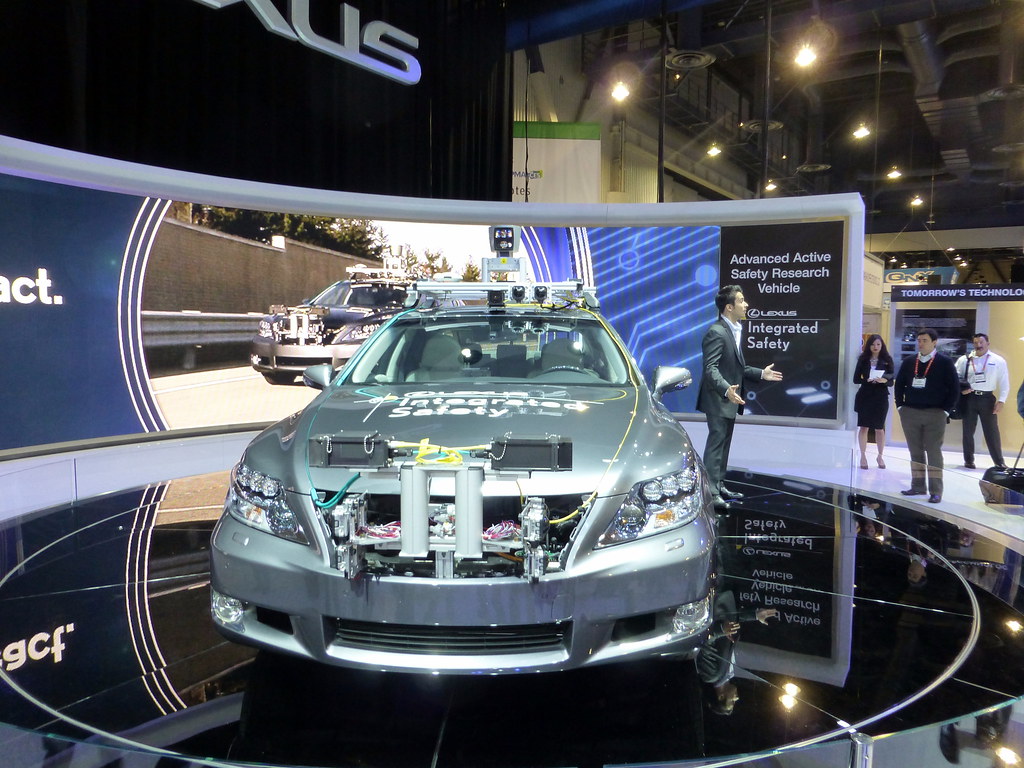
If you’ve purchased a vehicle in the last five years, chances are it came equipped with features like lane departure warning, automatic emergency braking, or adaptive cruise control. These technologies, collectively known as Advanced Driver Assistance Systems (ADAS), are becoming standard equipment on most new vehicles sold in Salem and throughout Oregon.
But here’s what many Salem drivers don’t know: after a collision—even a minor one—these safety systems may need specialized attention that goes beyond traditional body repair. Understanding how ADAS works and what happens to these systems after an accident can make the difference between a truly complete repair and one that leaves your safety features compromised.
What Is ADAS and Why Does It Matter?
Advanced Driver Assistance Systems use cameras, radar sensors, and other technology to help prevent accidents. According to the Insurance Institute for Highway Safety, features like forward collision warning combined with automatic braking can reduce rear-end crashes by 50%. AAA research suggests that if every vehicle had common ADAS features properly functioning, it could prevent an estimated 2.7 million crashes and 9,500 deaths annually.
Common ADAS features include:
- Lane Departure Warning/Lane Keep Assist: Alerts you when drifting out of your lane or gently steers you back
- Forward Collision Warning: Warns you of an impending collision with the vehicle ahead
- Automatic Emergency Braking: Applies brakes automatically to prevent or reduce collision severity
- Adaptive Cruise Control: Maintains a set distance from the vehicle ahead automatically
- Blind Spot Monitoring: Alerts you to vehicles in your blind spots
- Pedestrian Detection: Identifies pedestrians and can trigger automatic braking
Most of these systems rely on cameras mounted on or near your windshield, radar sensors in bumpers, and sophisticated computer systems that process information in real-time.
How Collision Damage Affects ADAS
The precision required for ADAS to function properly is remarkable—and fragile. These systems are calibrated at the factory to incredibly tight tolerances. A camera misaligned by just one degree can shift its focal point by 8 feet at a distance of 100 feet. That small error can mean the difference between your automatic emergency braking system working correctly or failing when you need it most.
Here are common collision-related scenarios that can affect ADAS:
- Windshield replacement: Even if installed perfectly, a new windshield may sit at a slightly different angle, affecting camera positioning
- Front-end collisions: Bumper-mounted radar sensors can be knocked out of alignment or damaged internally while looking fine externally
- Structural repairs: Frame or unibody straightening can alter sensor mounting positions
- Suspension work: Changes in ride height affect how cameras “see” the road
- Body panel replacement: Panels with embedded sensors must be positioned precisely
The “Silent Failure” Problem
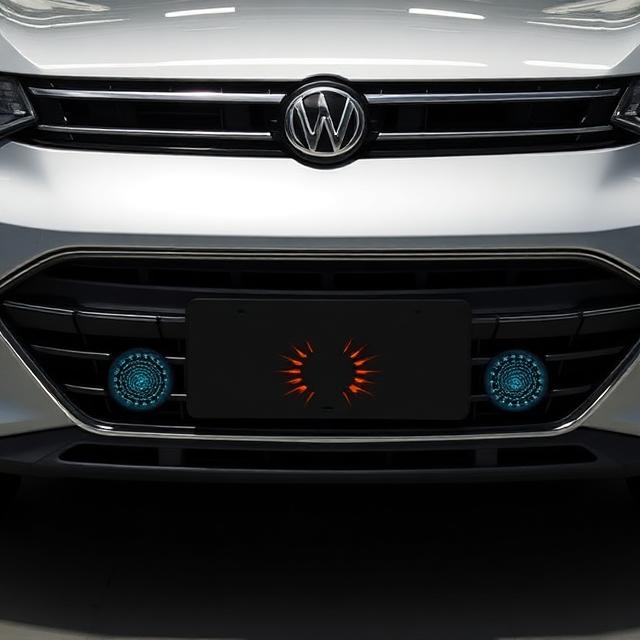
Here’s what makes ADAS issues particularly dangerous: many vehicles won’t warn you when these systems are compromised. Unlike a check engine light that alerts you to problems, an ADAS camera that’s slightly misaligned may not trigger any warning. The system is electrically functional—it’s just pointing in the wrong direction.
This creates what experts call a “silent failure.” Your automatic emergency braking might react too late or not at all. Your lane keeping assist might steer incorrectly. Your adaptive cruise control might misjudge following distances. And you won’t know until you need the system in an emergency situation.
Research shows that a misalignment of just 0.6 degrees can reduce automatic emergency braking reaction time by 60%. That’s the difference between avoiding a collision and not having time to stop.
What ADAS Calibration Involves
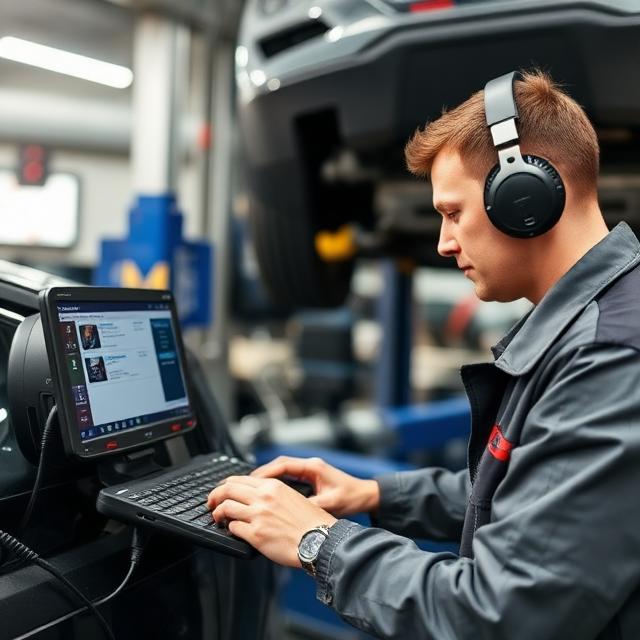
After certain repairs, ADAS systems require calibration—a process that ensures cameras and sensors are aimed correctly and communicating properly with the vehicle’s computer. This isn’t something that can be done with basic tools; it requires specialized equipment and vehicle-specific procedures.
There are two main types of calibration:
Static Calibration
Performed in a controlled environment, static calibration requires the vehicle to be parked on a perfectly level surface. Technicians position large printed targets at precise distances and heights in front of the vehicle. The calibration equipment then aligns the camera’s “view” with these targets according to manufacturer specifications.
Dynamic Calibration
This involves driving the vehicle on well-marked roads at specific speeds. The calibration equipment monitors the system as it observes real-world conditions like lane markings and traffic. Some vehicles require both static and dynamic calibration to restore full functionality.
Questions to Ask Your Collision Repair Shop
When you bring your vehicle to a body shop after a collision, here are important questions Salem drivers should ask:
- Does my vehicle have ADAS features that might be affected by this repair?
- Will any cameras or sensors need to be removed or disturbed during repairs?
- Does my vehicle require calibration after this type of repair?
- Does the shop have the equipment and training to perform ADAS calibration?
- Is calibration included in the repair estimate, or will it be an additional cost?
- Will you perform pre- and post-repair scanning to check for fault codes?
A quality body shop should be able to answer these questions and have a plan for ensuring your ADAS systems are properly addressed.
Insurance Coverage for ADAS Calibration
Most insurance policies cover ADAS calibration when it’s required as part of collision repairs. The cost is typically included in your claim, subject to your deductible. However, it’s important that calibration is documented in the repair estimate.
If your insurer questions the need for calibration, refer them to the vehicle manufacturer’s repair procedures. Nearly all automakers now require calibration after repairs that affect ADAS components. Some insurance companies have policies requiring proof of calibration before closing certain claims.
Not All Collision Repair Shops Are Equipped for Modern Vehicles
The rapid advancement of vehicle technology means that collision repair requires more sophisticated equipment and training than ever before. ADAS calibration equipment can cost tens of thousands of dollars, and technicians need specialized training for each vehicle manufacturer.
When choosing a collision repair shop in Salem, look for:
- I-CAR Gold Class certification: Indicates comprehensive training in modern repair techniques
- OEM certifications: Manufacturers like BMW, Mercedes-Benz, and others certify shops that meet their standards for repairing their vehicles
- Investment in technology: Shops that invest in equipment like computerized measuring systems demonstrate commitment to proper repairs
- Relationships with ADAS specialists: If a shop doesn’t perform calibration in-house, they should have established partnerships with facilities that do
Dabler Auto Body’s ADAS Capabilities
At Dabler Auto Body, we’ve invested in the specialized equipment and training needed to properly service ADAS-equipped vehicles. Our I-CAR Gold Class certification means our technicians receive ongoing training in the latest repair techniques, including ADAS diagnostics and calibration procedures.
We understand that modern collision repair goes beyond straightening metal and painting panels. Our approach includes:
- Pre-repair scanning: We scan your vehicle’s systems before repairs to identify any fault codes or calibration issues
- Proper structural repair: Our Vector computerized measuring system ensures structural repairs meet factory specifications—critical for maintaining proper sensor positioning
- ADAS calibration: We perform the necessary static and dynamic calibrations to restore your safety systems to factory specifications
- Post-repair verification: We perform post-repair scanning to confirm all systems are functioning correctly before returning your vehicle
Our goal is to return your vehicle to you with every system functioning exactly as the manufacturer intended—from the body structure to the advanced safety features that protect you and your family.
Protect Your Investment and Your Safety
Modern vehicles are safer than ever—but only when their advanced safety systems are functioning properly. After a collision, don’t assume that body repair alone is sufficient. Make sure your ADAS systems receive the attention they need.
Contact Dabler Auto Body today at (503) 585-8066 or visit us at 1465 Sunnyview Rd NE, Salem, OR 97301 for a comprehensive evaluation of your collision damage. We’re open Monday through Friday, 8:00 AM to 5:00 PM. Let our experienced team ensure that every aspect of your vehicle—from the structure to the safety systems—is properly repaired.
Remember: The safety features that protect you and your family only work when they’re functioning correctly. Don’t settle for a repair that looks good but leaves critical safety systems compromised.
Does my car need ADAS recalibration after a collision repair in Salem?
Yes. Any collision repair that affects the windshield, bumpers, grille, mirrors, or the geometry of your vehicle — including frame and suspension work — can knock ADAS sensors out of alignment. If your vehicle has features like automatic emergency braking, lane-keeping assist, adaptive cruise control, or blind-spot monitoring, calibration must be performed after repair to restore those systems. Dabler Auto Body performs ADAS calibration in-house at our Salem facility.
What is ADAS calibration and how long does it take?
ADAS calibration is the process of realigning your vehicle’s cameras, radar, and ultrasonic sensors to factory specifications after they have been disturbed. Depending on your vehicle and the sensors involved, calibration can require a static process performed in a controlled indoor environment with targets, a dynamic process performed while driving on public roads, or both. The process typically takes one to three hours.
Will my insurance cover ADAS calibration costs in Oregon?
In most cases yes. ADAS calibration is a required part of a proper collision repair, not an optional add-on. Oregon insurance companies are required to pay for necessary repairs to return your vehicle to its pre-accident condition, which includes recalibrating safety systems. Dabler Auto Body documents all calibration work and coordinates directly with your insurance carrier to ensure it is included in your claim.
How do I know if my ADAS is working correctly after a repair?
The most reliable way is to have a certified technician perform a diagnostic scan after calibration. Warning lights on your dashboard are an obvious signal, but many ADAS malfunctions do not trigger a visible warning — the system may appear active but be operating outside factory tolerances. Dabler Auto Body performs post-calibration verification scans on all vehicles with ADAS systems before returning them to customers.
Not all body shops in Salem can calibrate ADAS systems — how do I choose?
Look for a shop with TruePoint ADAS certification or equivalent manufacturer-specific ADAS training, dedicated calibration equipment and adequate indoor space for static calibration targets, and experience with your specific vehicle. Dabler Auto Body is TruePoint ADAS Trained and Certified and has performed calibrations on a wide range of makes and models at our Salem facility at 1465 Sunnyview Rd NE.