When your car is totaled after an accident in Salem, the number that decides your entire settlement is its actual cash value. Not what you paid for it, not what you still owe on the loan, and not what a new one costs today. Oregon law has specific rules for how that figure is calculated and what your insurer has to prove, and understanding them is the difference between accepting a lowball offer and getting what your vehicle was actually worth.
What Actual Cash Value Really Means
Actual cash value is your vehicle’s fair market value in the moment right before the crash. It reflects your specific car, its mileage, condition, options, and the local Salem-area market. It is not the price you paid, your loan balance, or the cost of a new replacement. That single pre-loss number, minus your deductible, is what the whole settlement is built on.
This is where a lot of Salem drivers get blindsided. You might owe more on your car than it is worth, especially in the first few years of a loan. If your vehicle’s actual cash value is lower than your loan balance, the settlement pays the value, not the loan, and you can be left owing the difference. That gap is exactly what gap insurance exists to cover, which is worth knowing before you ever need it.
When Oregon Considers a Car a Total Loss
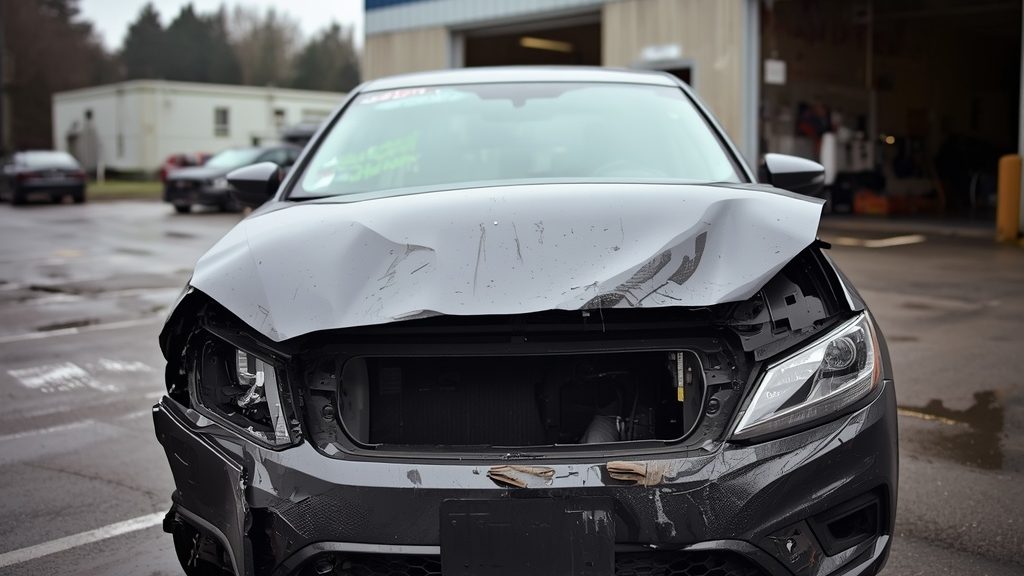
Oregon generally uses an 80 percent threshold to decide whether a car is a total loss. When the cost to repair the vehicle plus its salvage value reaches or exceeds 80 percent of its actual cash value, the insurer can declare it totaled rather than pay to fix it. Some insurers total at a lower percentage. The precise numbers come from the insurer’s own valuation of your specific vehicle.
A quick example makes it concrete. Say your car’s pre-loss value is $20,000. At the 80 percent threshold, if repairs plus salvage reach $16,000 or more, it can be declared a total loss. Below that, the insurer generally repairs it. This is also why the actual cash value figure matters so much: it sets the ceiling that determines whether your car gets fixed or written off in the first place.
What Your Insurer Is Required to Show You
Under Oregon Administrative Rule 836-080-0240, when an insurer makes a cash settlement it must furnish you copies of the information used to determine the amount. If it cites a specific comparable vehicle to justify the figure, it must disclose that clearly. You are entitled to see how the number was built and which comparables were used.
Most insurers calculate actual cash value using a third-party valuation service such as CCC, Audatex, or Mitchell rather than a figure you can independently pull up. That is allowed, but the rule requires that the underlying comparables meet real standards of comparability, and it requires that the insurer hand you the report. When you receive a total loss offer, the first thing to request is that documentation. If a comparable vehicle they used is in worse condition, higher mileage, or a different trim than yours, that is a specific, factual basis to push back.
Oregon also requires insurers to send a written Total Loss Notice explaining your rights and the claims process. If a replacement route is offered instead of cash, the standard is strict: a comparable vehicle must be the same make, the same or a newer year, a similar body style, with similar options and mileage, in as good or better condition, and available for inspection within a reasonable distance of where you live.
How to Dispute a Low Total Loss Offer

You do not have to accept the insurer’s first offer. Accepting payment of the amount that is not in dispute does not settle your claim, so you can take the undisputed money and keep negotiating for more. That single fact catches many people off guard, because a partial payment can feel final when it is not.
If you and the insurer cannot agree, Oregon gives you a real tool. Under ORS 742.466, you can invoke the appraisal clause in your policy. Each side appoints an appraiser, and if they disagree, a neutral umpire decides. The powerful part for consumers: if the final appraised value comes in higher than the insurer’s last offer, even by a small margin, the insurer must reimburse your reasonable appraisal costs. That provision, for policies issued or renewed on or after January 1, 2010, is what gives an independent appraisal real leverage.
Practical steps help your case. Gather your own evidence of value: local listings for the same make, model, year, and trim, records of recent maintenance, new tires, or upgrades, and documentation of your car’s actual condition. The more specific and local your evidence, the harder it is for a valuation built on distant or dissimilar comparables to stand. This is closely related to a separate claim many drivers miss entirely, which we cover in our guide to diminished value claims in Oregon.
If You Decide to Keep Your Totaled Car
You can keep a vehicle even after it is declared a total loss, but the math changes. Instead of receiving the full actual cash value, the insurer subtracts the salvage value, the amount your damaged car is worth to a dismantler or recycler. Your payout becomes actual cash value minus salvage, minus your deductible. You then own the wreck and decide what to do with it.
From there you have choices: sell it to a scrap dealer or recycler, or apply for a salvage title, have it properly repaired, and pass a state inspection to put it back on the road. Whether that is worth it depends on the damage and on the quality of the repair. A totaled vehicle that is repaired correctly, to factory specification, is a very different thing from one patched together to look drivable, which is exactly where the shop you choose matters.
How Dabler Auto Body Can Help
Dabler Auto Body has been handling collision claims for Salem drivers since 1975, and we know how total loss determinations work from the repair side. We can give you an honest, documented repair estimate, explain whether the damage is likely to push your vehicle past Oregon’s total loss threshold, and help you understand what a fair settlement looks like. Reach us at (503) 585-8066 or visit us at 1465 Sunnyview Rd NE, Salem, OR 97301.
Whether your car ends up repaired or declared a total loss, you deserve accurate information and a settlement that reflects what your vehicle was truly worth. If you have been in an accident and are facing a total loss offer you are unsure about, stop by for a free estimate. We are open Monday through Friday, 8:00 AM to 5:00 PM, and we are always glad to help Salem drivers understand where they stand before they sign anything.
What does actual cash value mean for a totaled car in Oregon?
Actual cash value is your vehicle’s fair market value immediately before the accident. It is not what you paid, not what you still owe, and not the cost of a new replacement. Oregon insurers settle total loss claims based on this pre-loss value, minus your deductible.
When is a car considered a total loss in Oregon?
Oregon generally uses an 80 percent threshold. When the cost to repair plus the vehicle’s salvage value reaches or exceeds 80 percent of its actual cash value, the insurer can declare it a total loss. Some insurers total at a lower percentage. The exact figures come from the insurer’s own valuation.
Does my insurer have to show me how they calculated my settlement?
Yes. Under Oregon Administrative Rule 836-080-0240, when an insurer makes a cash settlement it must furnish you copies of the information used to determine the amount. If they cite a specific comparable vehicle to justify the figure, they must disclose that clearly. You are entitled to see the numbers.
Can I dispute a total loss offer I think is too low?
Yes. You do not have to accept the first offer, and accepting partial payment of the undisputed amount does not close your claim. You can keep negotiating, and under ORS 742.466 you can invoke your policy’s appraisal clause. If the appraised value beats the insurer’s last offer, they reimburse your reasonable appraisal costs.
What happens to my settlement if I keep my totaled car in Oregon?
You can keep a totaled vehicle, but the insurer subtracts its salvage value from the payout. So instead of full actual cash value, you receive actual cash value minus salvage, minus your deductible. You then decide whether to sell it for parts or pursue a salvage title, repair, and re-inspection.