If you have stepped outside in Salem this summer and noticed the haze hanging over the Willamette Valley, your car has been sitting in it too. Wildfire smoke from fires burning across the Cascades and Southern Oregon is more than an air quality inconvenience — it contains acidic compounds and abrasive ash particles that can permanently damage your vehicle’s paint finish if left untreated. Here is what Salem drivers need to know about wildfire smoke car paint damage and how to protect your vehicle this season.
Why Wildfire Smoke Is Harder on Paint Than Regular Dust
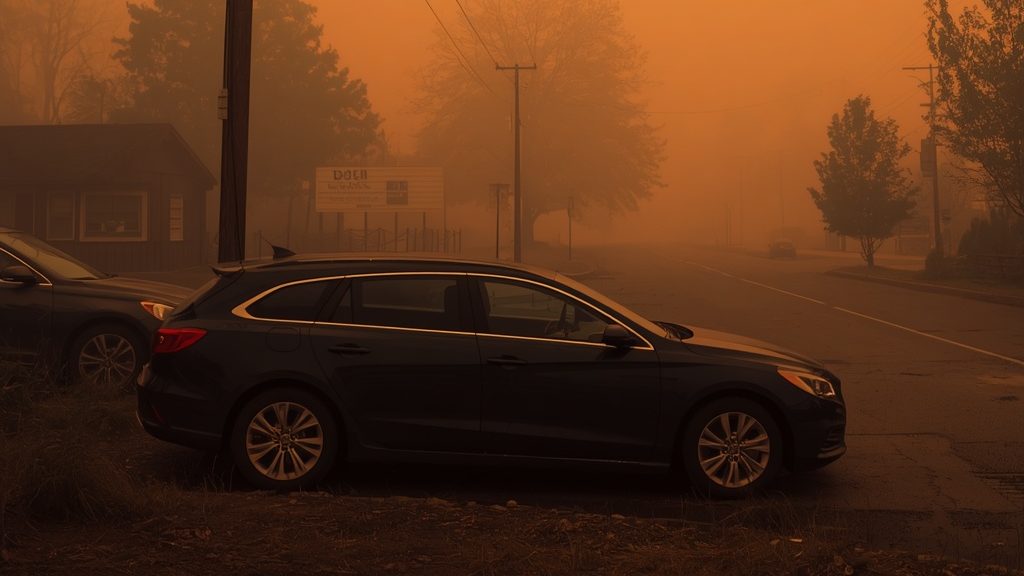
Wildfire smoke is chemically different from ordinary road dust or pollen. It contains fine particulate matter, ash, soot, and acidic compounds produced by burning organic material. When these particles land on your car’s painted surface and are exposed to heat — and Salem summers routinely push into the 90s — the acids activate and begin etching into your clear coat. The longer smoke residue sits on the paint, the deeper the damage can penetrate.
Regular dust is largely inert and sits on top of the paint surface until washed away. Wildfire ash is different — it is alkaline when dry but becomes acidic when it contacts moisture, including morning dew or humidity. This chemical reaction is what causes the etching and dull spots that Salem drivers sometimes notice after extended smoke events. Black or dark-colored vehicles show the residue most visibly, but light-colored vehicles suffer the same chemical damage even when it is harder to see.
The Willamette Valley’s geography makes Salem particularly vulnerable during wildfire season. Surrounded by the Coast Range to the west and the Cascades to the east, the valley can trap smoke for days at a time when wind patterns are unfavorable. During major fire events in the Cascades or Southern Oregon, Salem can experience sustained periods of unhealthy air quality that expose parked vehicles to significant cumulative ash and particulate buildup.
How to Safely Remove Ash and Smoke Residue
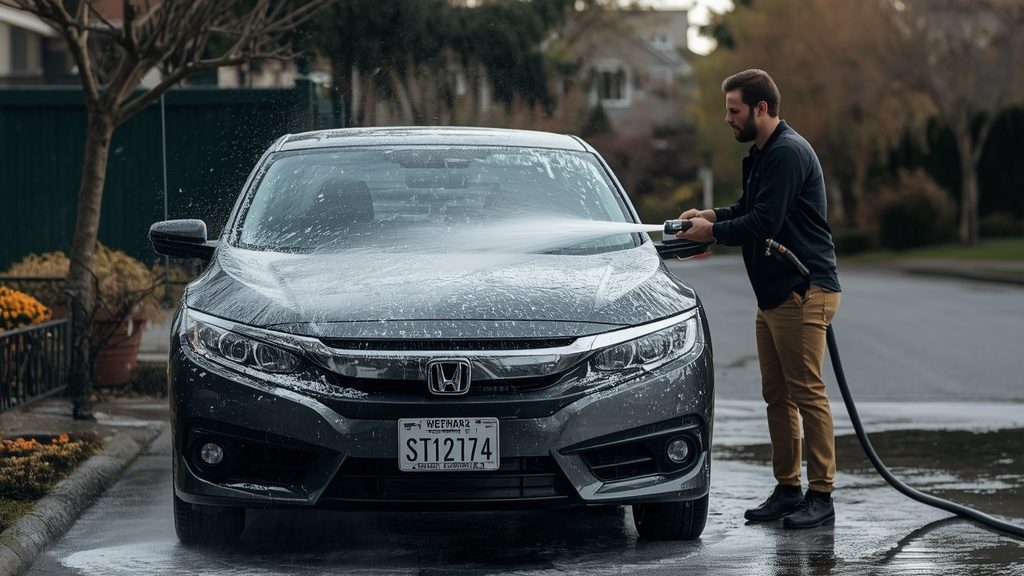
The single most important rule when dealing with wildfire ash on your car is never dry-wipe the surface. Ash particles are abrasive — dragging them across your paint with a cloth, paper towel, or even a brush will scratch the clear coat. The scratches may be fine enough to be invisible at first, but they create microscopic channels that trap contaminants and accelerate future damage.
The correct approach starts with water. Rinse your vehicle thoroughly with a garden hose or pressure washer on a gentle setting to float the ash off the surface before any contact washing begins. Once the loose ash is gone, wash with a pH-neutral car wash soap using a clean microfiber wash mitt — not a sponge, which can trap particles and drag them across the paint. Rinse again thoroughly and dry with a clean microfiber towel.
Avoid automatic car washes with rotating brush systems during heavy ash events. The brushes accumulate ash from previous vehicles and can grind abrasive particles into your paint. Touchless car washes are a better option if hand washing is not practical. After washing, applying a spray wax or quick detailer adds a thin protective layer that makes it easier to remove the next round of ash with less risk of scratching.
Protecting Your Car During Active Smoke Events
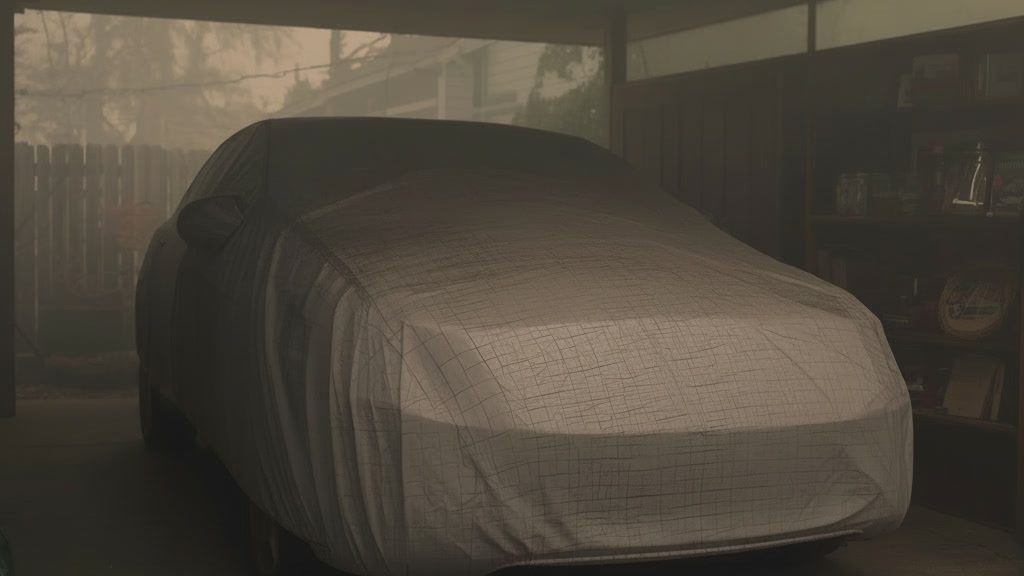
When the Oregon Department of Environmental Quality reports Unhealthy air quality conditions — an AQI above 150 — and smoke is visibly heavy, keeping your vehicle covered or garaged is the most effective protection. A breathable car cover prevents ash from settling directly on the paint surface while still allowing moisture to escape so condensation does not get trapped underneath.
The Oregon DEQ publishes real-time AQI data at oregon.gov/deq and through the AirNow app, which provides Salem-specific readings updated hourly. During Cascade Range wildfire events, AQI in the Willamette Valley can shift from Moderate to Unhealthy in a matter of hours as wind direction changes. Checking the forecast before leaving your vehicle parked outside overnight is a worthwhile habit during peak fire season — typically July through September in Western Oregon.
If garage space is not available, parking under a carport, covered parking structure, or even dense tree cover provides meaningful protection compared to open-air parking. Just be aware that trees present their own risks — sap and bird droppings are equally acidic to paint and more concentrated in impact than distributed ash.
Your Cabin Air Filter — The Hidden Wildfire Victim
While most drivers think about exterior paint during wildfire season, the cabin air filter is taking an equal beating inside your vehicle. This filter traps smoke particles, ash, and fine particulate matter before they enter your heating and cooling system and the cabin air you breathe. During a normal Oregon year, cabin air filters should be replaced every 12,000 to 15,000 miles. During heavy wildfire seasons, that interval can compress dramatically.
Signs that your cabin air filter needs replacing after smoke exposure include reduced airflow from the vents even with the fan on high, a persistent smoke or musty smell inside the vehicle after outdoor air quality improves, and increased allergy or respiratory symptoms while driving. A clogged cabin air filter also forces your HVAC blower motor to work harder, shortening its lifespan over time. Replacement is typically a 10-minute job and filters cost $15 to $40 depending on the vehicle — one of the best-value maintenance items you can do after a significant smoke event.
When Smoke Damage Goes Beyond What Washing Can Fix
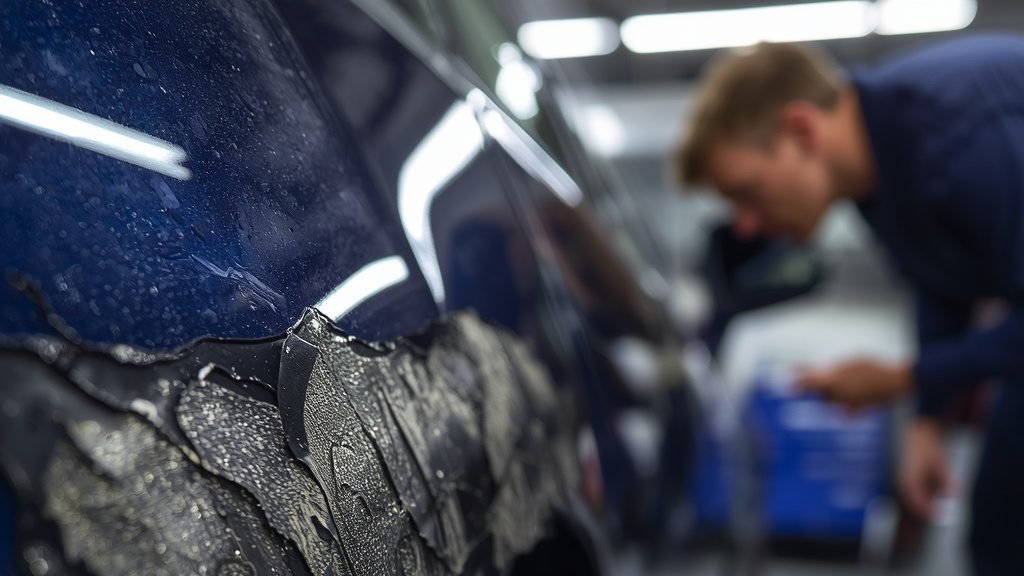
If ash sat on your vehicle’s paint for an extended period during heavy smoke conditions, washing may not fully restore the finish. Paint etching from acidic ash penetrates the clear coat and leaves dull, cloudy spots or fine scratches visible in direct sunlight. Depending on the depth of the damage, this may be correctable through paint decontamination and machine polishing — a process that removes a thin layer of the clear coat to get below the damage — or it may require spot repainting of the affected panels.
The good news for Salem drivers is that this type of damage is covered under comprehensive auto insurance, not collision. Your collision deductible does not apply, and under Oregon law, filing a comprehensive claim does not affect your collision rates. If you notice etching, oxidation, or dull spots after a smoke event, document the damage with photos before any washing or buffing and contact your insurer to file a comprehensive claim. Visit our collision repair services page to learn more about how Dabler handles paint restoration and insurance claims.
How Dabler Auto Body Can Help
Dabler Auto Body has been restoring Salem vehicles to their best possible condition since 1967 — including paint damage from environmental causes like wildfire smoke, UV exposure, and Oregon’s wet winters. If you are seeing dull spots, etching, or discoloration on your paint after this summer’s smoke events, bring your vehicle in for a free assessment. We will tell you honestly whether the damage is correctable through polishing or whether repainting is the right answer, and we will handle your insurance claim directly so you do not have to.
Call us at (503) 585-8066 or stop by at 1465 Sunnyview Rd NE, Salem, OR 97301. We are open Monday through Friday, 8:00 AM to 5:00 PM. Free estimates, lifetime warranty on all paint and repair work, and 50-plus years of Salem experience behind every job.