If you have lived in Salem for even one year, you know what is coming. The dry summer is ending, and the Willamette Valley is sliding into its long wet season. From roughly November through February, Salem gets the bulk of its forty-odd inches of annual rain, and your car sits out in all of it. Most drivers never think about what months of that does to their car’s paint, until the finish goes dull or a small chip turns into a rust spot. A little understanding now saves a lot of money later.
What Rain Actually Does to Paint
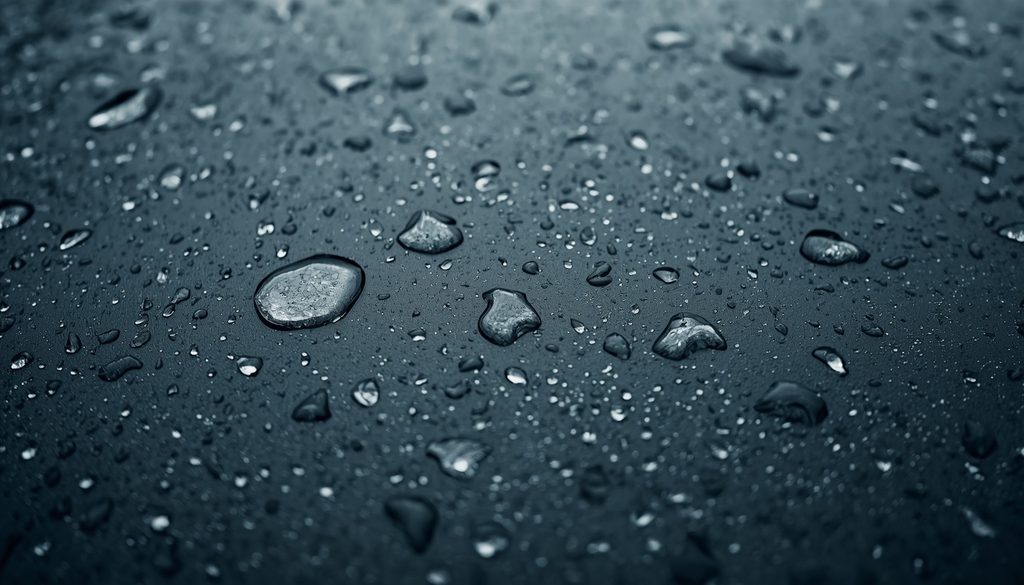
Clean rain by itself does little harm. The damage comes from what the water carries and what it leaves behind. Rain collects airborne pollutants on the way down, and as each drop dries it concentrates dissolved minerals into a spot on your finish. Those spots can etch into the clear coat, and over a Salem winter the cycle repeats hundreds of times.
Your car’s paint is built in layers: the colored base coat, and a clear coat on top that carries the gloss and shields the color. That clear coat is the sacrificial layer. When mineral deposits and mild acidity break it down, it loses its shine first, then its ability to protect. Once the clear coat is compromised, the base coat underneath is exposed to moisture, sunlight, and oxidation, and that is when dullness turns into real, expensive damage.
The Tree Sap Problem in the Willamette Valley
Rain is not the only threat in a Salem fall. The Willamette Valley is heavily wooded with Douglas firs, maples, and other trees, and their sap is acidic. Once it lands on your finish it starts bonding to the clear coat within about 24 to 72 hours, and rain will not simply rinse it away. Parking under trees means sap and moisture working together.
This is why the tree you park under for shade in summer becomes a liability in the wet months. Sap bonds, moisture sits on top of it, and the two accelerate each other’s damage to the clear coat. The same goes for the organic debris that falls all autumn, leaves, needles, and pollen, which traps moisture against the paint every time it rains. If your only parking is under a tree, washing more often through the fall genuinely matters.
Why Existing Chips Get Worse in Winter
The most costly rain damage starts at a spot the rain can get underneath. A stone chip or a scratch that has gone through the paint to bare metal is an open door, and a wet Salem winter will find every one of them. Water reaches the exposed steel, and rust begins, spreading outward under the surrounding paint.
This is the mechanism that turns a twenty-dollar problem into a major one. A tiny chip you could have sealed in minutes becomes, after a winter of moisture, a patch of corrosion that has crept under the clear coat and requires sanding, treating, and repainting a whole panel. Wheel wells and lower body edges are especially vulnerable, since they take the most road spray and are the easiest places for rust to get started unnoticed. Fixing chips before the rain arrives is the single cheapest paint decision you can make.
Warning Signs to Watch For

Paint damage creeps up gradually, so it helps to know what to look for. Watch for water spots that stay after a wash, a chalky or dull surface where the shine used to be, cloudy or uneven patches in the finish, and rings etched around where droplets dried. Any of these means the clear coat is starting to break down and needs attention.
The more serious signs involve bare metal and rust. Check your chips and scratches, and look closely at the wheel wells and lower door edges for the first orange specks of corrosion. Catching rust when it is a few small spots is the difference between a minor repair and a major one. If you are seeing any of this, it is worth having a professional look before the wettest months of December and January pile on.
How to Protect Your Paint This Fall
The good news is that protecting your finish is mostly about routine. Wash your car regularly through the fall and winter, more often if you park under trees, to clear away mineral deposits, sap, and debris before they can bond and etch. Drying after a wash prevents fresh water spots. A coat of quality wax or sealant adds a real protective barrier between the weather and your clear coat.
Where you park matters too. A garage, carport, or even a car cover cuts your paint’s exposure to rain, sap, and falling debris dramatically. And most important for the long run: deal with chips and scratches before winter, not after. Sealing bare metal now, while it is a small spot, keeps water out through the whole wet season. These simple steps, done before the heavy rain, are far cheaper than repairing the damage they prevent.
How Dabler Auto Body Can Help
When paint damage goes past what washing and waxing can fix, Dabler Auto Body handles it. We repair chips and scratches before they let rust in, treat and repair corrosion that has already started, and color-match refinishing so a repaired panel blends seamlessly with the rest of your car. Call us at (503) 585-8066 or visit 1465 Sunnyview Rd NE, Salem, OR 97301 for a free estimate.
We have been keeping Salem’s cars looking their best through five decades of wet Willamette Valley winters, so we know exactly what this climate does to a finish. If you have chips to seal before the rain sets in, dull or spotted paint you want assessed, or rust you have just noticed, now is the time, ahead of the wettest months. We are open Monday through Friday, 8:00 AM to 5:00 PM, and estimates are always free. For related reading on protecting your finish, see our guide on wildfire smoke and your car’s paint.
Can rain really damage my car’s paint in Salem?
Rain itself is mostly harmless, but what it carries and leaves behind is not. As rainwater evaporates it concentrates dissolved minerals and pollutants into spots that can etch the clear coat over time. In Salem, where the wet season runs from roughly November through February, repeated cycles of this add up across a winter.
When does Salem’s rainy season start and how wet does it get?
Salem’s dry summer gives way to the wet season in fall, with rainfall climbing through September and October and peaking in December, when the city averages nearly eight inches over about 22 rainy days. Salem receives roughly 40 inches of rain a year, most of it between November and February.
Why is tree sap a problem for car paint in the Willamette Valley?
The Willamette Valley is full of Douglas firs, maples, and other trees, and their sap is acidic. Once sap lands on your finish it begins bonding to the clear coat within about 24 to 72 hours. Parking under trees through a wet Salem fall means sap plus constant moisture, a combination that wears paint down faster than either alone.
How do I know if my car’s paint is already damaged?
Look for water spots that will not wash off, a chalky or dull finish that has lost its gloss, cloudy or uneven patches, and any spot where the paint has chipped down to bare metal. Rust starting in wheel wells or around chips is a sign moisture has already gotten past the paint’s protection.
Should I fix paint chips before winter in Salem?
Yes. A chip or scratch that exposes bare metal is an open door for water, and Salem’s months of fall and winter rain will find it. Addressing chips before the wet season keeps moisture out and prevents the rust and spreading corrosion that turn a small, cheap fix into a much larger repaint or panel repair.