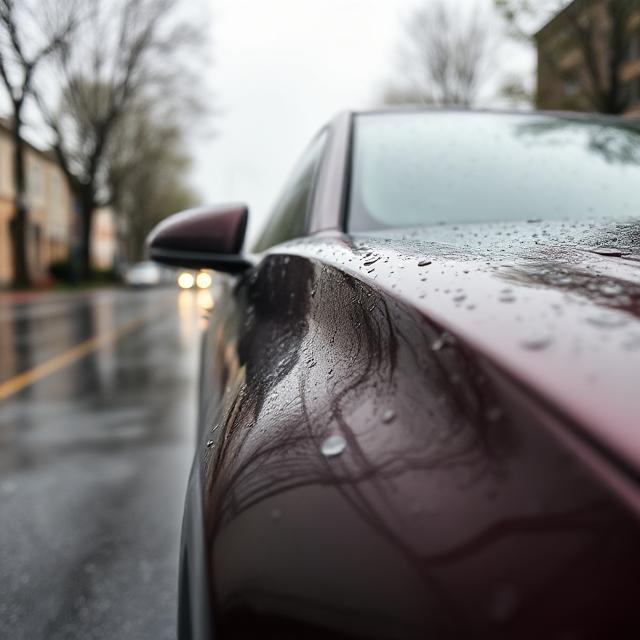

You’ve just been in a fender bender. You get out, look at your car, and breathe a sigh of relief—it’s just a small dent on the bumper. The other driver’s insurance will cover it, and you’ll be back on the road in no time. But what if that minor-looking damage is hiding something far more serious?
At Dabler Auto Body, we’ve been repairing vehicles in Salem for nearly 50 years, and we’ve seen countless cases where “minor” accidents concealed significant hidden damage. The truth is, modern vehicles are engineered to absorb impact energy in ways that protect occupants—but that same engineering can mask serious structural problems that aren’t visible to the naked eye.
Why Hidden Damage Is So Common in Modern Vehicles
Today’s cars and trucks are marvels of engineering, designed with crumple zones, energy-absorbing structures, and advanced safety systems. While these features do an excellent job of protecting you during a collision, they also mean that impact energy gets distributed throughout the vehicle in ways that aren’t always obvious.
Most modern vehicles use unibody construction, where the frame and body panels are integrated into a single structure. This design improves safety and handling, but it also means that even a low-speed impact can transfer forces through the entire vehicle. A hit to your rear bumper can affect your trunk alignment, suspension components, and even your steering—none of which may be visible from the outside.
Common Types of Hidden Damage After a Collision
Understanding what could be lurking beneath the surface can help Salem drivers make informed decisions about post-accident inspections and repairs.
Frame and Structural Damage
Your vehicle’s frame is its skeleton—it provides the foundation for everything else. Even minor collisions can cause frame misalignment that isn’t visible to the eye but affects how your car drives and, more importantly, how it would perform in another accident.
Signs of possible frame damage include:
- Your vehicle pulls to one side while driving
- Uneven tire wear, especially on one side
- Doors, hood, or trunk that don’t close properly
- Visible gaps between body panels
- Strange noises when driving over bumps
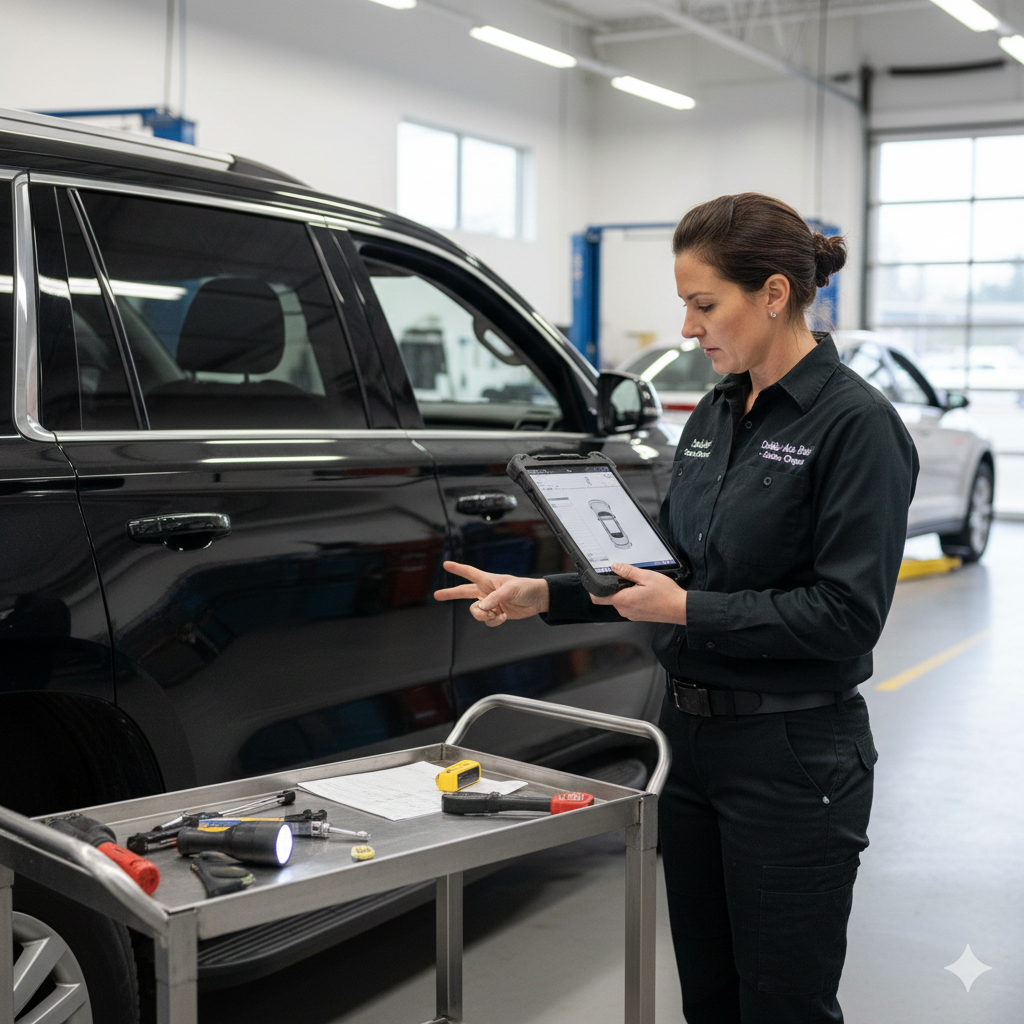
At Dabler Auto Body, we use our Vector computerized measuring system to detect frame misalignment that’s impossible to see with the naked eye. This technology measures your vehicle’s structure against factory specifications, identifying even small deviations that could affect safety and performance.
Suspension and Alignment Issues

Your suspension system controls how your vehicle handles and how the tires contact the road. A collision can bend or damage suspension components like control arms, struts, tie rods, and wheel bearings—all of which may look fine from the outside but are compromised internally.
Suspension damage often reveals itself through:
- A rough or bouncy ride that wasn’t there before
- Steering that feels loose or unresponsive
- Clunking or knocking sounds when turning or going over bumps
- Vehicle sitting lower on one side
- Difficulty keeping the vehicle straight
Internal Bumper and Absorber Damage
Modern bumpers are designed with multiple layers: an outer cover (usually plastic), an energy-absorbing foam or honeycomb structure, and a reinforcement bar. The outer cover might look fine after an impact, but the components underneath could be crushed or compromised.
This matters because those hidden components are designed to protect you in a collision. If the absorber foam is already compressed from a previous accident, it won’t provide the same protection in a future impact. This is why a professional inspection is essential even when damage appears minor.
Electrical and Sensor Damage
Modern vehicles contain an average of 80 sensors and miles of wiring. A collision can jostle connections loose, damage wiring harnesses, or affect sensitive electronic components. These problems often don’t appear immediately—you might notice warning lights on your dashboard days or weeks after an accident.
Common electrical issues after a collision include:
- Malfunctioning backup sensors or cameras
- Airbag warning lights
- ABS or traction control warnings
- Flickering or non-functioning lights
- Intermittent electrical problems that come and go
Hidden Fluid Leaks
Impact forces can crack or loosen components in your cooling system, transmission, or other fluid systems. These leaks often start small and may not be immediately noticeable. Over time, however, they can lead to overheating, transmission failure, or other serious mechanical problems.
If you notice any new fluid spots under your vehicle after an accident—whether it’s coolant (usually green or orange), transmission fluid (red or brown), or oil (dark brown or black)—get your vehicle inspected immediately.
Why a Quick Look Isn’t Enough
Many insurance adjusters conduct quick visual inspections or even photo-based assessments that focus primarily on visible damage. While this approach may seem efficient, it often misses the kinds of hidden damage we’ve described. An inspection that looks only at the surface can leave you with a vehicle that appears repaired but has underlying problems.
At Dabler Auto Body, every vehicle we repair receives a thorough inspection that goes beyond what’s visible. Our I-CAR Gold Class certified technicians use advanced diagnostic equipment to check structural alignment, scan for electronic fault codes, and identify damage that would otherwise go undetected.
Real-World Examples of Hidden Damage

To illustrate how hidden damage can appear, consider these scenarios Salem drivers might encounter:
Scenario 1: A driver gets rear-ended at a stoplight. The bumper cover has a small crack, but the car seems to drive fine. Two weeks later, the trunk starts to stick when closing, and the driver notices the taillights aren’t aligned properly. The impact shifted the rear body structure, affecting the trunk lid alignment.
Scenario 2: After a parking lot fender bender, a driver’s car looks almost untouched—just a scuff on the front bumper. A month later, the steering starts to pull to the right, and the tires are wearing unevenly. The collision bent a control arm that wasn’t visible during the initial inspection.
Scenario 3: A vehicle sustains what appears to be minor side damage. The door still opens and closes, so the driver assumes everything is fine. Six months later, they discover the side airbag sensor was damaged and wouldn’t have deployed in another accident.
How to Protect Yourself After Any Collision
Whether you’ve been in a major accident or a minor fender bender, these steps can help ensure hidden damage doesn’t become a bigger problem:
- Get a professional inspection: Even if damage appears minor, have a qualified collision repair center examine your vehicle. The cost of an inspection is minimal compared to the potential safety risks and repair costs of undetected damage.
- Choose a reputable repair shop: Look for I-CAR Gold Class certification and ASE certified technicians who have the training and equipment to identify hidden damage.
- Don’t rush the process: A thorough inspection and proper repairs take time. Be wary of shops that promise quick fixes without comprehensive evaluation.
- Document everything: Keep records of the accident, all inspections, and any symptoms you notice in the days and weeks following the collision.
- Know your rights: You have the right to choose your own repair facility. Don’t let an insurance company pressure you into a quick assessment that might miss hidden damage.
Dabler Auto Body’s Approach to Finding Hidden Damage
For nearly 50 years, Dabler Auto Body has been Salem’s trusted choice for collision repair. Our commitment to thorough, quality work means we never cut corners when it comes to identifying damage—visible or hidden.
Our inspection process includes:
- Computerized measuring: Our Vector system detects structural misalignment with precision accuracy
- Component-by-component inspection: We examine suspension, steering, electrical systems, and safety components
- Disassembly when necessary: Sometimes finding hidden damage requires looking beneath bumper covers and trim pieces
- Clear communication: We explain our findings and work with your insurance company to ensure all damage is covered
Every repair we perform is backed by our Unlimited Lifetime Warranty—a testament to our confidence in our work and our commitment to your safety.
Don’t Take Chances with Hidden Damage
If you’ve been in an accident—even a minor one—the smartest thing you can do is get a professional inspection from a qualified collision repair center. What you can’t see could affect your safety, your vehicle’s performance, and your wallet down the road.
Contact Dabler Auto Body today at (503) 585-8066 or visit us at 1465 Sunnyview Rd NE, Salem, OR 97301 for a free estimate. We’re open Monday through Friday, 8:00 AM to 5:00 PM. Let our experienced team give you the peace of mind that comes from knowing your vehicle has been thoroughly inspected and properly repaired.
Remember: The damage you can’t see is often the damage that matters most. Trust Salem’s collision repair experts to find it and fix it right.