One of the first questions Salem drivers ask after an accident is, “How long will my car be in the shop?” It’s a fair question—your vehicle is essential to your daily life, and being without it creates real challenges. The honest answer is that repair timelines vary significantly depending on several factors. At Dabler Auto Body, we believe in setting realistic expectations so you can plan accordingly. This guide will help you understand what affects repair timelines and what to expect when your vehicle needs collision repair.
Quick Reference: Typical Repair Timeframes
While every repair is unique, here are general timeframes for common types of collision damage:
- Minor Dents and Scratches: 1-3 days
- Bumper Replacement: 2-4 days
- Fender or Door Replacement: 3-5 days
- Moderate Collision Damage: 1-2 weeks
- Major Structural Repairs: 2-4 weeks or more
- Extensive Frame Damage: 4-8 weeks
A helpful rule of thumb in the industry is to estimate approximately one week for every $1,000 of repair costs. However, this is just a starting point—many factors can shorten or extend this timeline.
Factors That Affect Your Repair Timeline
Understanding what influences repair time can help you set realistic expectations and reduce frustration during the process.
Extent of the Damage
This is the most obvious factor. A small door ding that needs paintless dent repair can often be completed in a few hours, while a collision that damaged your vehicle’s frame requires extensive work with specialized equipment. At Dabler Auto Body, we use advanced diagnostic tools like our Vector computerized measuring system to identify all damage—including damage that isn’t visible to the naked eye.
It’s worth noting that initial estimates sometimes change once we begin disassembly. Hidden damage is common in collision repair, and discovering additional issues can extend the repair timeline. We always communicate these findings promptly so you’re never caught off guard.
Parts Availability
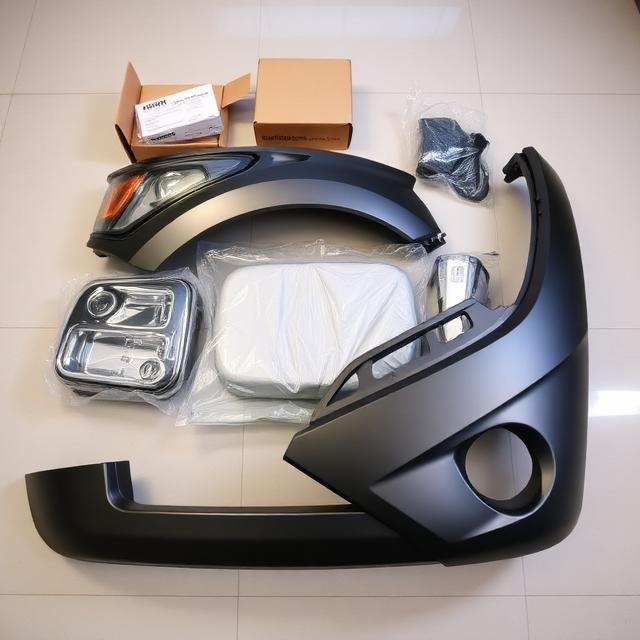
Parts availability is one of the biggest variables in collision repair timelines—and one that’s often outside the body shop’s control. Common parts for popular vehicle models are typically available within a day or two. However, if you drive a luxury vehicle, an import, or an older model, obtaining the correct parts can take significantly longer.
The automotive industry has experienced ongoing supply chain challenges in recent years, which can affect parts availability for all vehicle types. OEM (Original Equipment Manufacturer) parts sometimes need to be ordered from other states or even other countries, adding to delivery times. At Dabler Auto Body, we begin ordering parts as soon as your repair is approved to minimize delays.
Insurance Company Approval Process
If you’re filing an insurance claim, the approval process can add time to your repair. Your insurance company needs to review the estimate, and in some cases, send an adjuster to inspect the vehicle before authorizing repairs. This process can take anywhere from a few days to a couple of weeks, depending on your insurer’s workload and procedures.
Additionally, if hidden damage is discovered during repairs, we need to submit a supplemental claim to your insurance company for approval before proceeding. While this is a normal part of the collision repair process, it can extend your timeline. We work directly with all major insurance companies to expedite this process as much as possible.
Your Vehicle Type
The make and model of your vehicle significantly impacts repair time. Common domestic vehicles like Ford F-150s or Toyota Camrys typically have readily available parts and well-documented repair procedures. Luxury vehicles, European imports, or specialty vehicles often require:
Specialized parts that must be ordered from specific suppliers
Unique repair techniques and equipment
Specialized certifications for proper repair
Additional quality control steps
Dabler Auto Body is certified to repair BMW, Mercedes-Benz, and other high-end vehicles. We also specialize in aluminum repair, which is increasingly common in modern vehicles like the Ford F-150. These certifications mean we have the training and equipment to repair your vehicle correctly, though complex repairs on specialty vehicles naturally take more time.
Repair Shop Workload
Like any business, collision repair shops experience busy periods. Winter months in Salem often see an increase in accidents due to weather conditions, which can extend wait times. Similarly, after major storms or unusual weather events, body shops throughout the Willamette Valley may have longer queues.
At Dabler Auto Body, we’re transparent about our current workload and provide realistic timelines based on our schedule. We’d rather give you an accurate estimate than overpromise and underdeliver.
Understanding the Collision Repair Process
Knowing what happens during each phase of repair can help you understand why quality collision work takes time.
Phase 1: Assessment and Estimation (1-2 Days)
When you bring your vehicle to Dabler Auto Body, our certified technicians conduct a thorough inspection. We document all visible damage, take photographs, and use diagnostic equipment to check for hidden issues. This assessment forms the basis of your repair estimate, which is then submitted to your insurance company if applicable.
Phase 2: Parts Ordering and Insurance Approval (2-7+ Days)
Once your repair is approved, we order all necessary parts. Standard parts often arrive within a day or two, but specialty parts can take a week or more. We coordinate this process carefully to ensure we have everything needed before beginning major disassembly of your vehicle.
Phase 3: Disassembly and Secondary Inspection (1-2 Days)
As we begin disassembling the damaged areas, we often discover additional damage that wasn’t visible during the initial inspection. This is completely normal—impact forces can cause hidden damage to structural components, wiring, or mechanical systems. If we find additional issues, we’ll document them and contact you and your insurance company before proceeding.
Phase 4: Structural and Body Repairs (2-7+ Days)
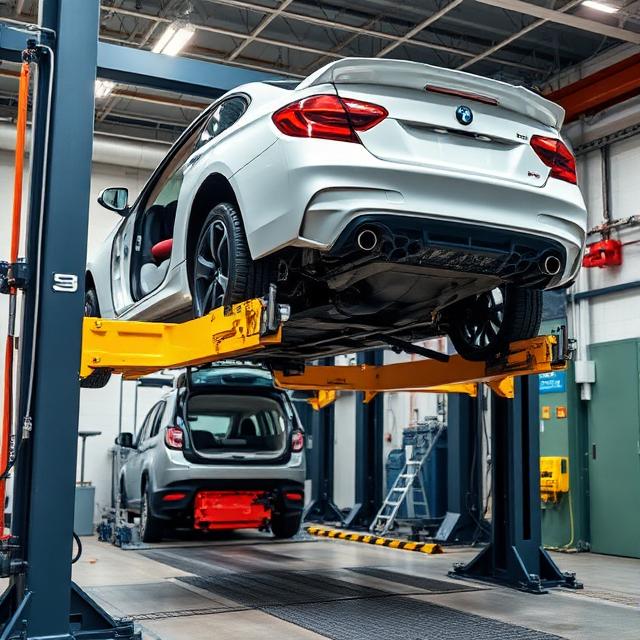
This is where the real work happens. Our technicians use equipment like Chief frame rack machines to straighten structural components to factory specifications. Body panels are repaired or replaced, and all components are carefully aligned. This phase takes the longest for major collision repairs and requires precision craftsmanship.
Phase 5: Painting and Refinishing (2-4 Days)
Quality paint work can’t be rushed. Our color matching specialists ensure the new paint perfectly matches your vehicle’s existing finish. The painting process includes surface preparation, primer application, base coat, and clear coat—each requiring proper curing time. Our Nova Verta paint booth uses advanced technology to ensure optimal results and durability.
Phase 6: Reassembly and Quality Control (1-2 Days)
After painting, we reassemble all components, ensuring everything fits and functions properly. This includes reconnecting electrical systems, installing trim pieces, and aligning all body panels. Our quality control process includes a detailed inspection and test drive to verify the repair meets our standards—and yours.
Tips for Minimizing Your Repair Time
While some factors are beyond your control, there are steps you can take to help expedite the repair process:
- Report Claims Promptly: Contact your insurance company as soon as possible after an accident to start the approval process.
- Choose Your Shop Wisely: Select a reputable shop with certifications and experience. Shops that cut corners may promise faster repairs but deliver inferior results.
- Respond Quickly to Communications: When your body shop or insurance company contacts you for approvals or decisions, responding promptly keeps the process moving.
- Be Flexible with Scheduling: If you can be flexible about when you drop off your vehicle, you may be able to get into the shop’s schedule sooner.
- Arrange Alternative Transportation: Having a rental car or backup transportation plan reduces pressure to rush repairs.
Staying Mobile While Your Car Is in the Shop
At Dabler Auto Body, we understand that being without your vehicle is inconvenient. That’s why we offer rental car assistance to help keep you mobile during repairs. Many insurance policies include rental car coverage—check your policy or ask your agent about this benefit.
We also partner with BC Towing in Salem to arrange towing if your vehicle isn’t drivable after an accident. Our goal is to make the repair process as seamless as possible, from the moment of your accident until you’re back behind the wheel.
Why Quality Collision Repair Takes Time
We understand the desire to get your car back as quickly as possible. However, rushing collision repairs can compromise safety and result in problems down the road. Proper structural alignment, paint curing, and quality control all take time. A repair that’s done right protects your safety, maintains your vehicle’s value, and ensures the work will last.
Be cautious of shops that promise unusually fast repairs—they may be cutting corners on quality. At Dabler Auto Body, every repair is backed by our Unlimited Lifetime Warranty because we stand behind our work. That confidence comes from taking the time to do things right.
Get a Realistic Timeline from Dabler Auto Body
If you’ve been in an accident and need collision repair in Salem, Dabler Auto Body is here to help. We’ll provide you with an honest assessment of your damage and a realistic timeline for repairs. With nearly 50 years of experience serving the Salem community, we’ve earned our reputation for quality craftsmanship and exceptional customer service.
Contact us today at (503) 585-8066 or visit us at 1465 Sunnyview Rd NE, Salem, OR 97301 for a free estimate. We’re open Monday through Friday, 8:00 AM to 5:00 PM. Let us show you why Salem drivers have trusted Dabler Auto Body for their collision repair needs for nearly five decades.
Remember: A quality repair is worth the wait. Your safety depends on it.