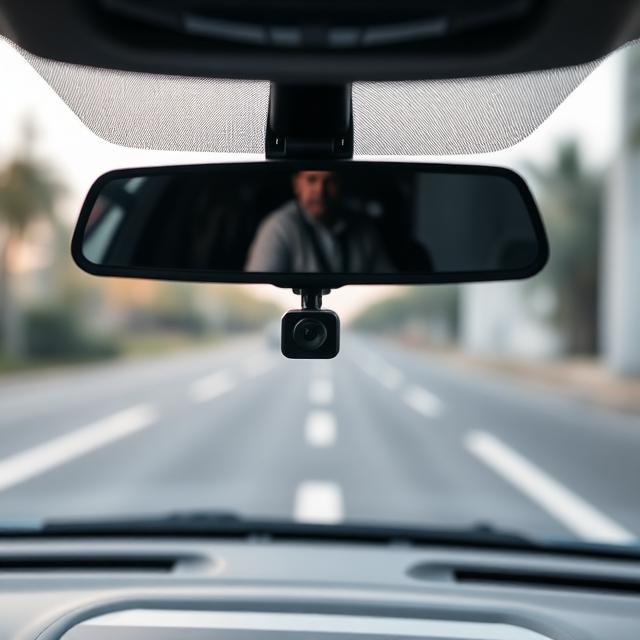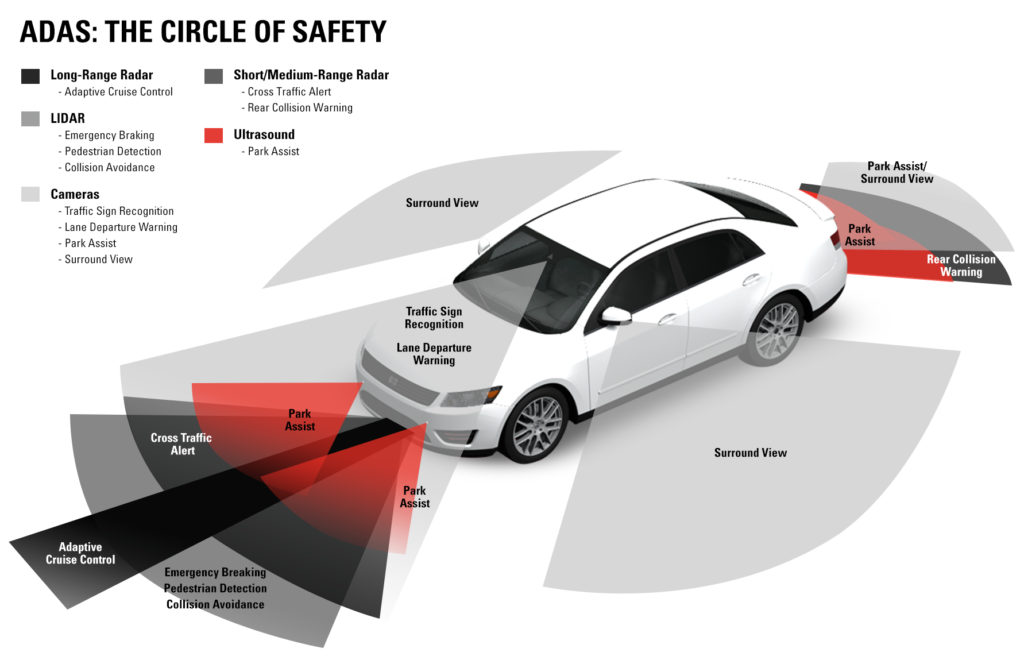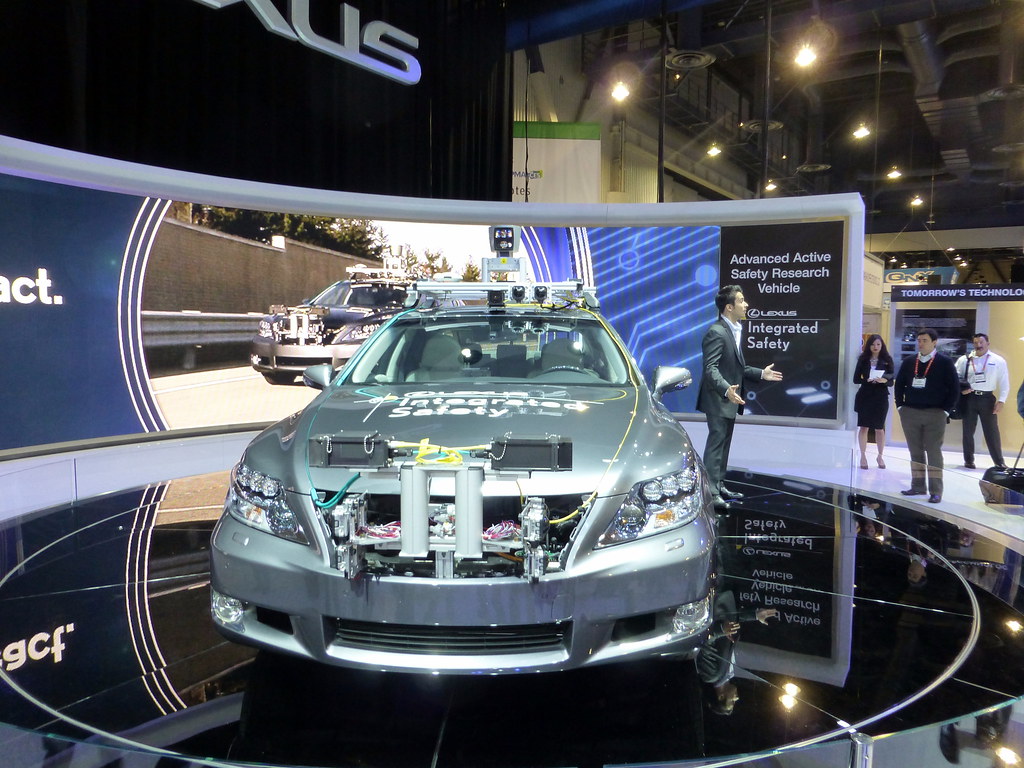
If your car was built in the last several years, it is watching the road alongside you. Cameras behind the windshield read lane markings. Radar behind the front bumper tracks the car ahead. Sensors in the corners watch your blind spots. These systems are collectively called ADAS, and when they are aimed correctly they prevent crashes. When they are aimed slightly wrong, they fail quietly. ADAS calibration is the repair step that keeps them aimed correctly, and for Salem drivers it is the step most likely to get skipped after a collision.
What ADAS Calibration Actually Is
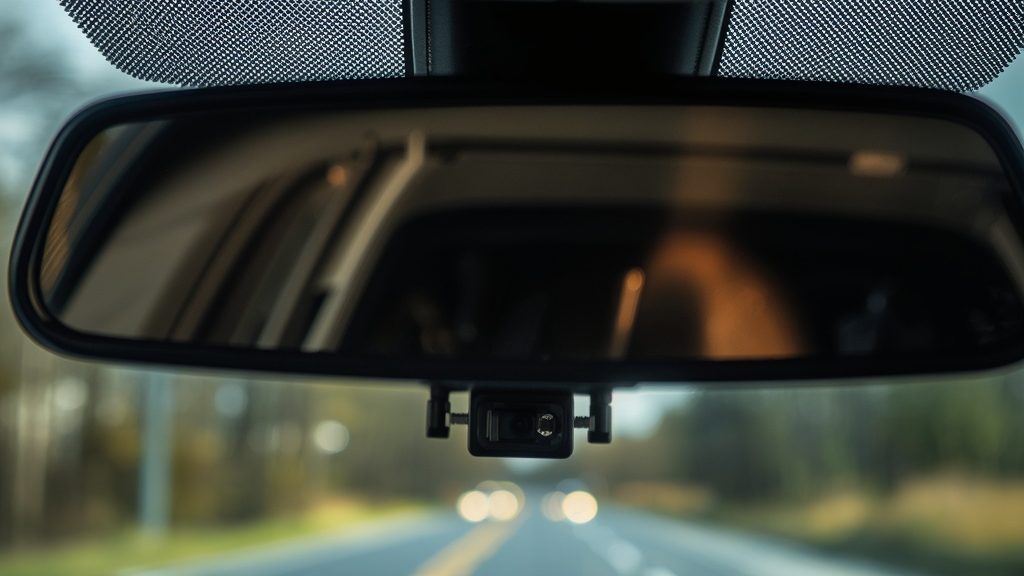
ADAS calibration is the process of re-aiming your vehicle’s cameras and radar sensors to the exact position the manufacturer specified. Every sensor has a precise reference point it measures the world against. Repair work moves that reference point. Calibration restores it. Without it, the sensor still reports data, but it is measuring from the wrong starting position.
The tolerances involved are the part that surprises most people. Manufacturers commonly specify camera alignment within a fraction of a degree. That sounds like an impossibly small margin to care about, until you follow the geometry down the road. A camera off by a fraction of a degree at the windshield is off by several feet at the distance where your automatic emergency braking has to decide whether the object ahead is in your lane or beside it.
When Calibration Is Required
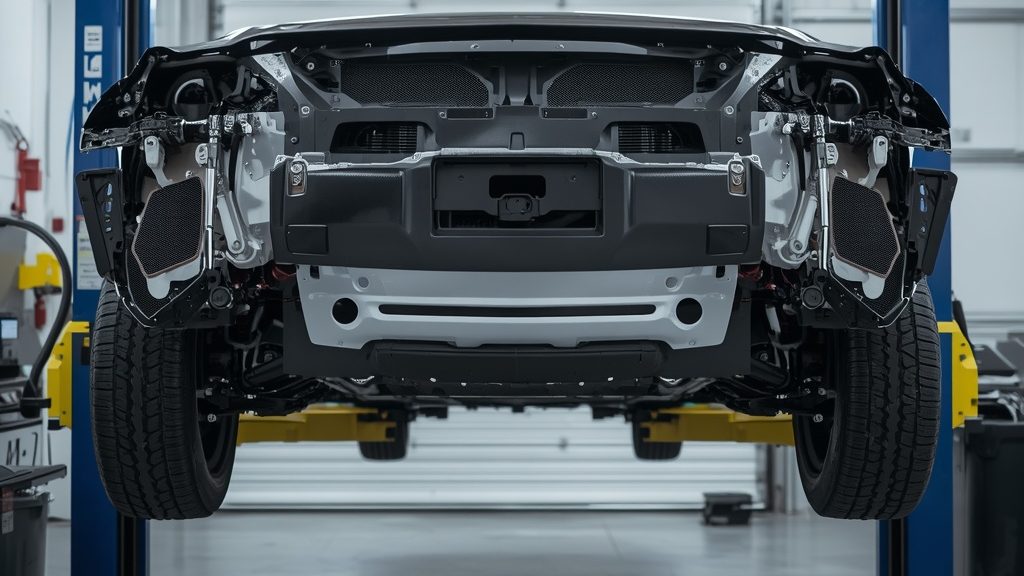
Calibration is required after windshield replacement, bumper repair or replacement, suspension or alignment work, structural and frame repair, and any work that removes or disturbs a camera or radar module. The trigger is not how severe the collision looked. The trigger is whether the repair changed the position or viewing angle of a sensor, which a minor bumper job absolutely can.
Ride height matters too, which catches people off guard. Suspension work, or anything that changes how the vehicle sits, changes the angle at which a fixed camera views the road. The camera never moved. The car did. The result is the same, and the calibration requirement is the same.
The specific requirement is not the shop’s opinion. Each manufacturer publishes its own procedures, and they vary considerably by make, model, year, and repair event. I-CAR maintains a searchable database of OEM calibration requirements organized by vehicle and repair type, which is how a properly equipped shop confirms what your specific car needs rather than guessing.
Static Versus Dynamic Calibration
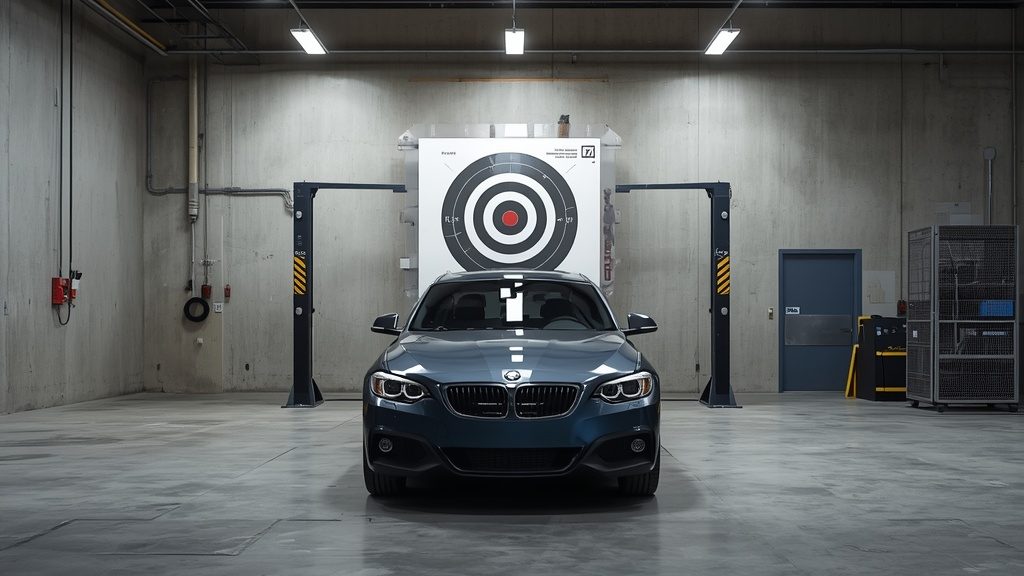
Static calibration happens in the shop with the vehicle stationary. Technicians position manufacturer-specific target boards at exact distances and heights in front of the car, on a floor level enough to meet the OEM’s flatness spec, under lighting controlled enough to meet its requirements. The sensor is then aligned to those targets through a scan tool.
Dynamic calibration happens on the road. The vehicle is driven at manufacturer-specified speeds on well-marked roads while a scan tool monitors the system learning against real lane lines and real traffic. Some vehicles need only one method. Some need static first and then dynamic to confirm. Which combination applies is determined by the manufacturer, not by which one is more convenient.
This is also why calibration is not something every shop can do. Static calibration requires floor space, a genuinely level surface, controlled lighting, the correct targets for your make, and an OEM-approved scan tool. That is a real investment in equipment and training, and plenty of shops have not made it.
The Silent Failure Problem
An uncalibrated ADAS system usually does not turn on a warning light. Electrically, nothing is wrong. The camera powers up, reports data, and passes its self-checks. It is simply pointed somewhere slightly different than where the computer believes it is pointed. There is no fault code for being aimed wrong.
That is what makes this different from most repair problems. A bad alignment pulls the wheel. A failing brake makes noise. An uncalibrated camera gives you nothing at all, until the day it matters. Then it brakes a half second late, or reads the shoulder as your lane, or does not see the car merging beside you.
Around here that gap has teeth. Highway 22 through the Coast Range in November, wet pavement, low light, a curve you cannot see around. The whole reason you paid for automatic emergency braking is the situation where your own reaction time is not enough. That is a poor moment to discover the system has been measuring from the wrong reference point since your bumper was replaced in July.
Why Calibration Gets Skipped
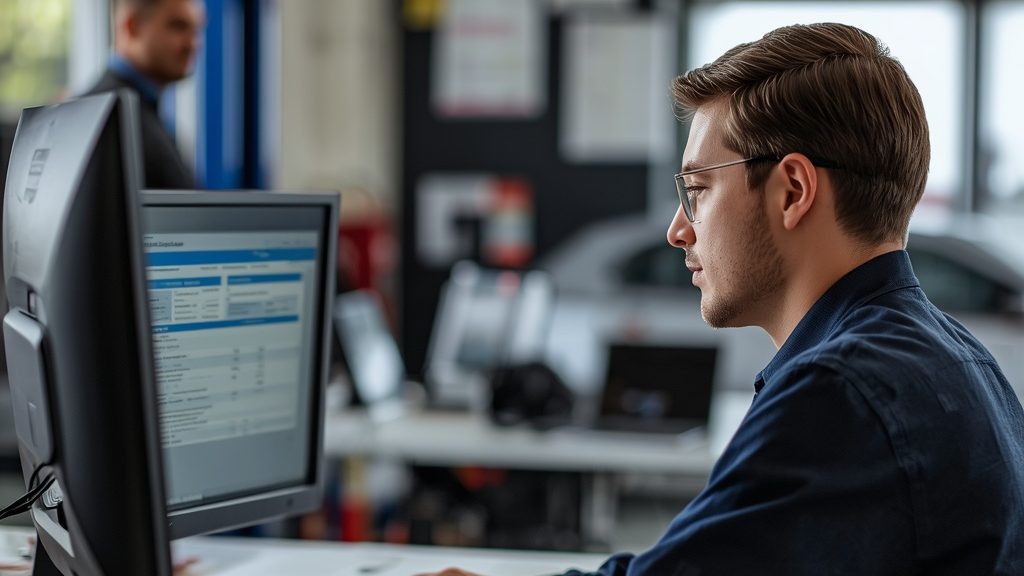
Calibration gets skipped for two ordinary reasons. Some shops do not have the equipment or training to do it and do not flag that the vehicle needs it. And some insurers question the line item, treating a manufacturer-required procedure as optional, or approving a diagnostic scan and calling that sufficient.
Clearing a code is not calibration. A scan tells you whether the system is reporting a fault. Calibration is what physically re-establishes where the sensor is aimed. A vehicle can pass a post-repair scan cleanly and still have a camera pointed several feet off target down the road, because no code exists for that condition.
Costs run in the range of a few hundred dollars per system, which is what draws scrutiny on an estimate. That scrutiny tends to evaporate against the manufacturer’s own published procedure. Documentation is what settles it, and this is the same ground we covered in your right to choose your own shop under Oregon law: the manufacturer defines a proper repair, and you are entitled to one.
The industry is noticing. Product liability attorneys report that lawsuits over missed or improper calibrations are climbing nationally, including cases where a system that should have been recalibrated failed in a later crash. Those cases reach the shop that did the work, which is a fair reason to care whether your shop treats calibration as required or optional.
How to Verify It Was Actually Done
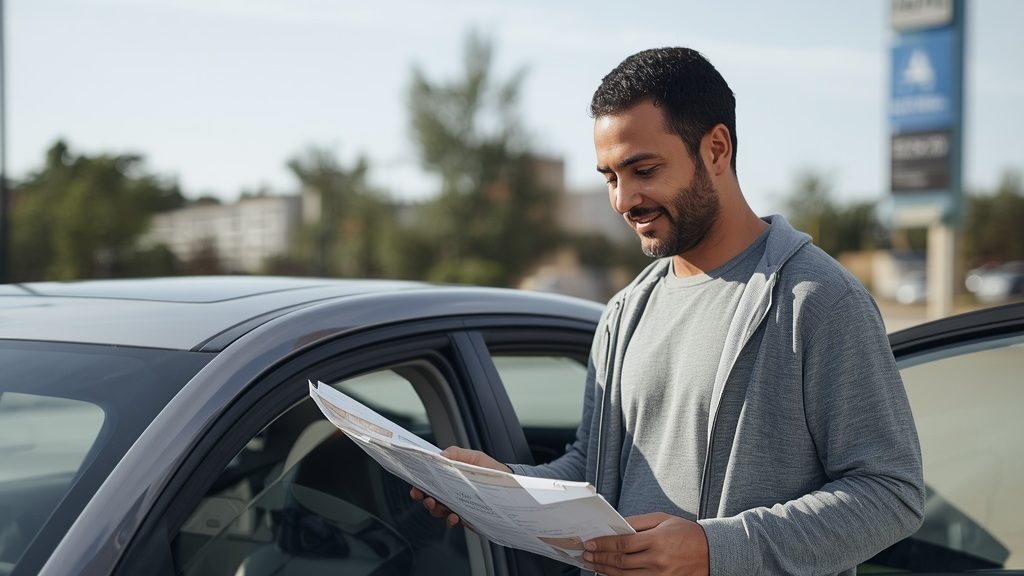
Ask for the calibration report. A proper job produces paperwork: the pre-repair scan showing what the vehicle reported on arrival, the specific procedure performed and why your vehicle required it, and the post-repair scan confirming the system passed. If that documentation does not exist, there is no way to confirm the work happened.
A few things worth noticing. A calibration reported as complete in a few minutes on a vehicle requiring both static and dynamic procedures does not add up. Neither does a shop that cannot tell you which method your specific vehicle needs, because that is a question with a published answer. And if a safety system behaves differently after a repair than it did before, that is worth a second look regardless of what the paperwork says.
If you want the broader picture on how collision damage affects these systems, our overview of ADAS and collision repair for Salem drivers covers what the features do and what to ask before repairs start.
How Dabler Auto Body Can Help
Dabler Auto Body performs ADAS calibration in house at 1465 Sunnyview Rd NE, Salem, OR 97301. Every repair includes a pre-repair scan, the calibration procedure your manufacturer specifies for your vehicle, and a post-repair scan confirming the systems pass. You get the documentation. Call (503) 585-8066 for a free estimate.
We have been repairing cars in Salem since 1975, which covers the entire span from vehicles with no electronics to vehicles that watch the road themselves. Our I-CAR Gold Class certification means ongoing training as these systems keep changing, and our Vector computerized measuring system means structural repairs meet factory specification, which is what sensor position depends on in the first place. If you have been in a collision or you are not certain your systems were calibrated after a previous repair, stop by. We are open Monday through Friday, 8:00 AM to 5:00 PM, and estimates are free.