Your insurance company says your car is a total loss and hands you a settlement offer. The number feels low — maybe significantly lower than what you were expecting based on what similar vehicles are selling for in Salem. What most Oregon drivers do not know is that this offer is not final. Oregon law gives you the right to dispute it, and knowing how the process works can mean thousands of dollars in your pocket.
What “Total Loss” Actually Means in Oregon
In Oregon, a vehicle is declared a total loss when the cost of repairs plus the vehicle’s salvage value exceeds its actual cash value before the accident. Oregon does not use a fixed percentage threshold like some states — it uses a formula. This means the total loss decision depends on your specific vehicle’s value, the repair estimate, and what a salvage buyer would pay for the wreck.
The total loss formula sounds straightforward, but the variables are where disputes arise. The repair estimate can vary significantly between shops. The salvage value is determined by the insurer. And the actual cash value — the number that determines whether your car is worth repairing — is the figure most Salem drivers successfully challenge.
How Oregon Insurers Calculate Actual Cash Value
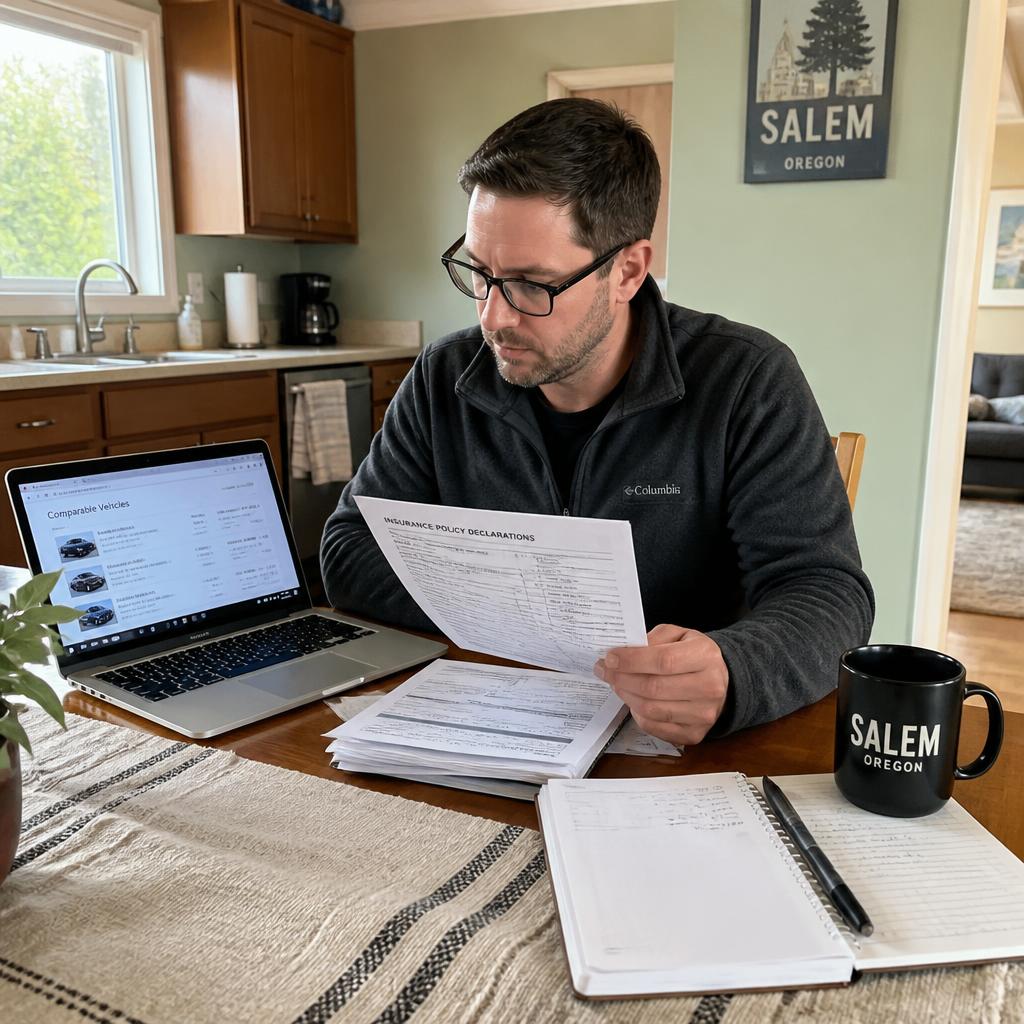
Actual cash value in Oregon is the fair market value of your vehicle immediately before the accident — what a willing buyer would pay a willing seller in the local Salem market. Insurers calculate this using computerized valuation tools like CCC One or Mitchell, which pull comparable vehicle listings from the region. You have the legal right to review which comparables were used and to challenge any that do not accurately represent your vehicle.
Common problems with insurer ACV calculations include using comparable vehicles with higher mileage, failing to account for recent upgrades or repairs, pulling comparables from outside the Salem and Willamette Valley market where prices differ, and using vehicles in worse condition than yours was before the accident. Each of these is a legitimate basis for a counter-offer.
Request the insurer’s full valuation report in writing — it is your right to see exactly which vehicles were used and how the number was calculated. Compare those vehicles to current listings on AutoTrader, Cars.com, and local Salem dealers. If you find meaningful discrepancies, you have the foundation for a dispute.
Oregon Revised Statute 746.230 and Your Rights
Oregon Revised Statute 746.230 prohibits unfair claim settlement practices, including failing to settle claims promptly and fairly when liability is clear. This law applies directly to total loss disputes — if an insurer refuses to negotiate in good faith or ignores documented evidence of your vehicle’s value, that conduct may constitute a violation. The Oregon Division of Financial Regulation accepts consumer complaints and investigates insurer conduct at dfr.oregon.gov.
Oregon also gives you the right to invoke the appraisal process under your policy if negotiations stall. Most Oregon auto insurance policies include an appraisal clause that allows both you and the insurer to hire independent appraisers, with a neutral umpire resolving any disagreement. This process is binding and keeps the dispute out of court — and it is often the fastest path to a fair resolution.
If the insurer’s conduct crosses into bad faith — unreasonable delays, ignoring your evidence, or making threats — Oregon law provides additional remedies including the ability to recover attorney fees and potentially additional damages. Consulting an Oregon insurance attorney for a free initial consultation is worth doing if the gap between the offer and fair value is significant.
How to Build a Successful Dispute in Salem
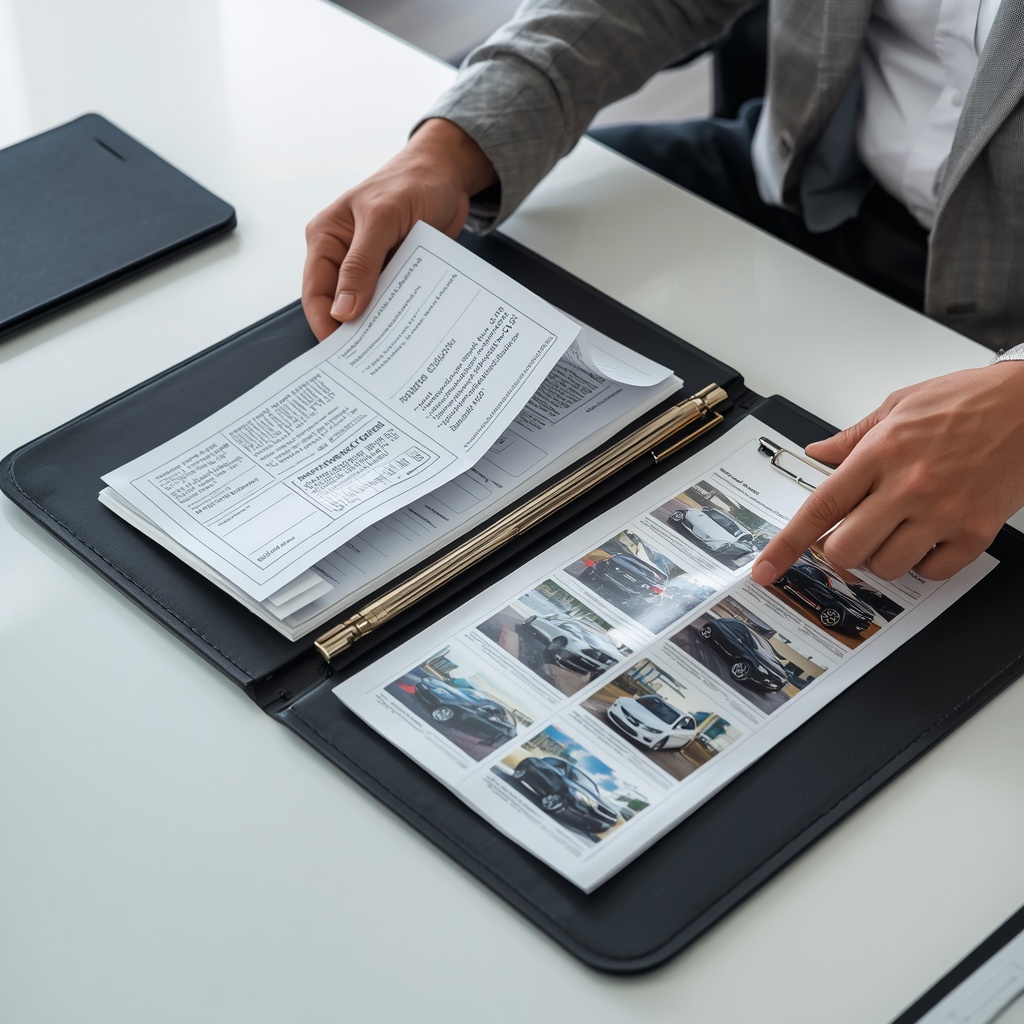
A successful total loss dispute in Oregon comes down to documentation. Gather everything that supports a higher value: receipts for recent repairs or upgrades, maintenance records showing consistent upkeep, photos of your vehicle before the accident, and comparable vehicle listings from Salem-area dealers and private sellers. The more specific and verifiable your evidence, the stronger your position.
Write a formal counter-offer letter that references specific comparable vehicles by VIN or listing URL, cites upgrades not reflected in the insurer’s valuation, and states the value you believe is accurate with supporting evidence attached. Send it to the insurer’s claims department in writing and keep a copy. Give them a reasonable deadline — 10 to 14 business days is standard.
If the insurer comes back with a revised offer that is still too low, you have three options: continue negotiating, invoke the appraisal clause in your policy, or file a complaint with the Oregon DFR. The DFR complaint process is free, puts your dispute on record, and often prompts insurers to reconsider their position quickly.
Your Right to Keep Your Vehicle After a Total Loss
Oregon law allows you to retain ownership of a totaled vehicle if you choose. If you keep it, the insurer deducts the salvage value from your settlement check and the vehicle receives a salvage title. To drive the vehicle legally in Oregon again, you must repair it and obtain a rebuilt title through the Oregon DMV — a process that requires a salvage inspection. Salvage and rebuilt title vehicles can be harder to insure and have reduced resale value, so weigh those factors carefully before deciding to keep a totaled car.
A Note on Diminished Value After Repairs
If your vehicle was not totaled — if the insurer ultimately agrees to repair it — you may have a separate claim for diminished value under Oregon law. Even after perfect repairs, a vehicle with an accident history is worth less than a comparable vehicle without one. Oregon case law supports the right to recover this loss from the at-fault driver’s insurance company. See our post on diminished value claims in Oregon for a full breakdown of how that process works.
How Dabler Auto Body Can Help
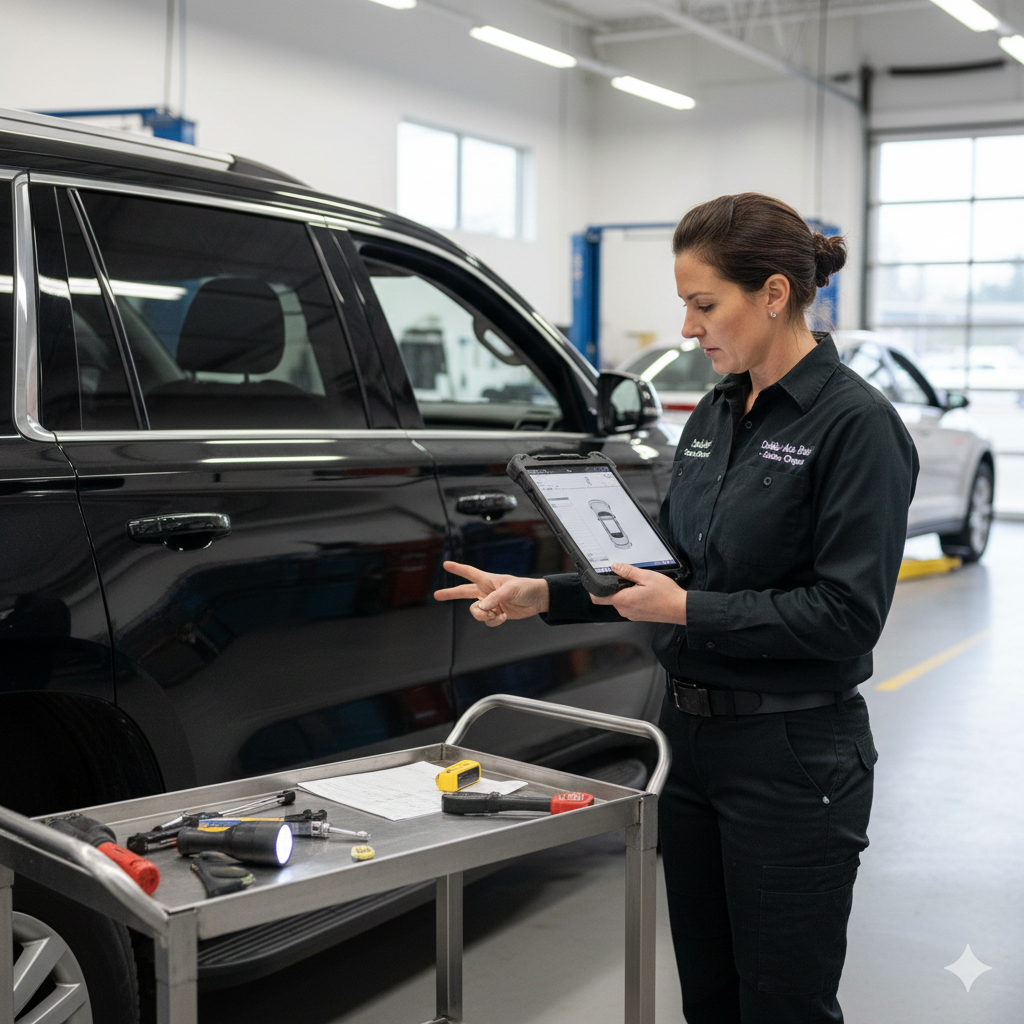
If your vehicle has been deemed a total loss and you are disputing the settlement, a written repair estimate from a reputable Salem collision repair shop is one of the most useful pieces of evidence you can have. An independent estimate from Dabler Auto Body — based on a physical inspection of your vehicle — provides documented evidence of actual repair costs that you can use in your dispute. We provide free estimates at 1465 Sunnyview Rd NE, Salem, Monday through Friday 8:00 AM to 5:00 PM.
If your insurer ultimately agrees to repair your vehicle, Dabler Auto Body’s collision repair services are backed by an unlimited lifetime warranty on all parts and labor. Call us at (503) 585-8066 — we are happy to answer any questions about your repair options.